Hospital Bed Mover Price Guide: Evaluating ROI and Value in 2026
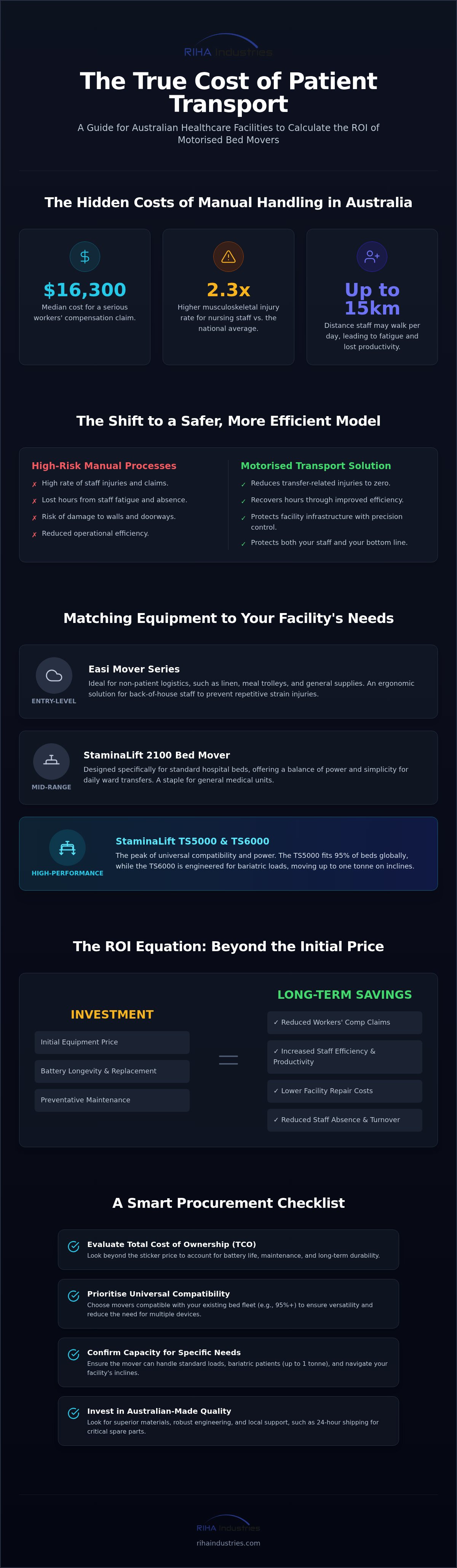
Did you know that the median cost for a serious workers' compensation claim in Australia has reached $16,300, with nursing staff facing musculoskeletal injury rates 2.3 times the national average? It's a sobering reality for facility managers who must balance the primary duty of care with tightening fiscal margins. You likely recognise that manual handling is the chief culprit behind these rising figures, yet justifying a new hospital bed mover price to the board requires more than just a safety plea; it demands a robust financial case built on long-term risk mitigation.
We understand that every dollar in your capital budget must be accounted for through measurable operational outcomes. This guide provides the transparency you need by exploring the variables that dictate equipment costs and offering a practical framework to calculate your true return on investment. You'll discover how implementing motorised technology, such as the StaminaLift TS5000 with its 95% bed compatibility, can reduce transfer-related injuries to zero. We'll outline how transitioning from high-risk manual processes to a safer, more efficient transport model protects both your staff and your bottom line while ensuring seamless integration with your existing fleet.
Table of Contents
Understanding the Hospital Bed Mover Price Landscape in 2026
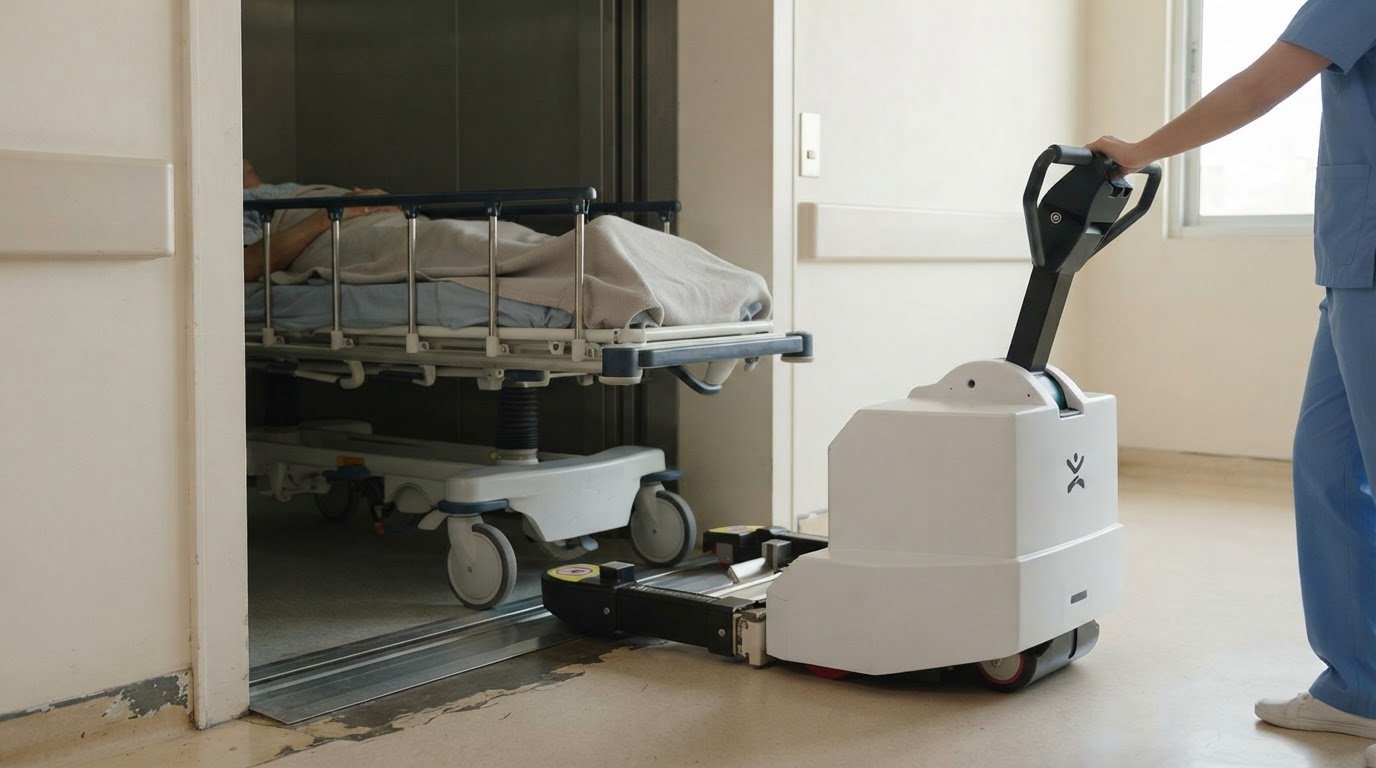
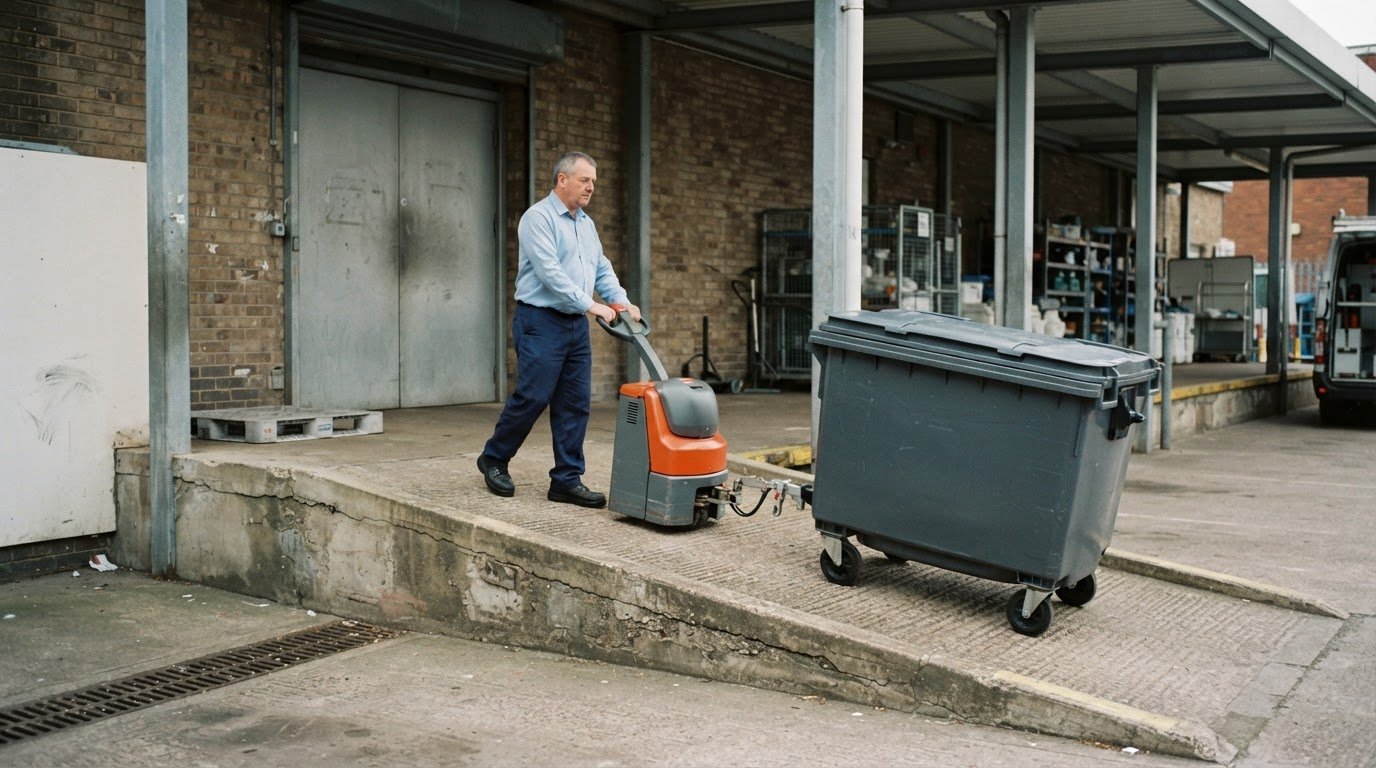
Evaluating a hospital bed mover price requires looking beyond the initial capital expenditure to understand the engineering that supports clinical safety. While a basic electric tug might appear cost-effective for moving meal trolleys, specialised patient transfer equipment is built to handle the complex weight distribution and precision required in high-stakes medical environments. A standard industrial tug often lacks the sophisticated braking systems and hitching reliability needed to ensure patient safety during transit.
The total cost of ownership (TCO) is a more accurate metric for procurement officers than the simple sticker price. This figure accounts for the equipment’s operational lifespan, battery durability, and the significant reduction in facility repair costs. High-quality movers are designed to interface with various hospital bed features, including complex braking systems and varying wheel configurations, ensuring that a single investment serves your entire facility without requiring expensive modifications to your existing bed fleet.
Tiers of Patient Transfer Equipment
Selecting the right equipment depends on the specific demands of your healthcare setting. Pricing typically scales with weight capacity and technical versatility, allowing facilities to mix and match units based on ward requirements:
Entry-level walk-behind tugs: The Easi Mover series is ideal for non-patient loads like linen or meal trolleys. These units provide an ergonomic solution for logistics staff and prevent the repetitive strain injuries common in back-of-house roles.
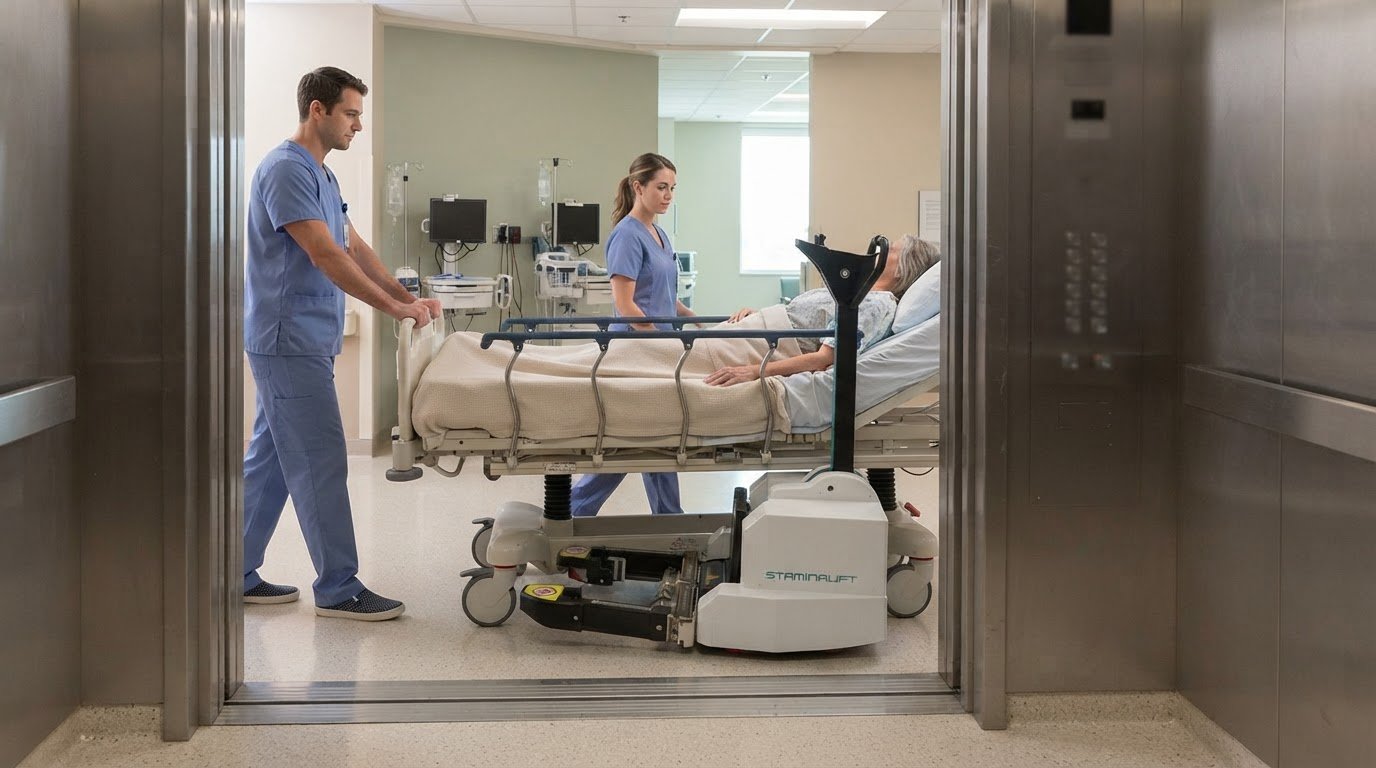
Mid-range motorised movers: The StaminaLift 2100 Bed Mover is designed specifically for standard hospital beds. It offers a balance of power and simplicity for daily ward transfers, making it a staple for general medical units.
High-performance transfer systems: The StaminaLift Transfer System 5000 and 6000 represent the peak of universal compatibility. The TS5000 is compatible with 95% of globally available beds, while the TS6000 is engineered for bariatric loads, capable of moving nearly one tonne up a 7-degree incline.
Why Quality Manufacturing Affects Upfront Costs
A higher upfront hospital bed mover price often reflects the use of superior materials like high-grade stainless steel. Cheaper alternatives may save money initially but frequently fail under the rigours of 24-hour hospital operations, leading to higher maintenance costs. Patented hitching mechanisms also provide immense value; they allow a single mover to connect to various bed brands securely. This universal approach reduces the total number of devices a hospital needs to purchase and store, directly lowering the long-term capital requirement.
Safety certifications add another layer of value that impacts the price. FDA-registered equipment that meets strict Australian Standards ensures that you aren't just buying a machine, but a verified safety tool. In acute care settings, where rapid transit is vital, the 360-degree manoeuvrability of a StaminaLift unit prevents expensive damage to corridor walls and door frames. Conversely, in aged care settings, the focus may shift towards compact designs that navigate tighter residential spaces safely. Understanding these nuances ensures your budget is allocated to equipment that provides the highest possible return on safety and efficiency.
Key Technical Factors that Influence Bed Mover Pricing
The hospital bed mover price is fundamentally shaped by the mechanical capabilities required to ensure safe patient outcomes. While entry-level units might manage standard ward beds on flat surfaces, the investment increases when you require equipment capable of navigating ramps or handling bariatric patients. This technical sophistication is a direct response to the high cost of manual patient handling, where inadequate equipment leads to expensive musculoskeletal injuries and prolonged staff absence.
Hitching versatility is another primary driver of value. A unit like the StaminaLift TS5000, which offers 95% bed compatibility, allows a facility to standardise its equipment across different departments. This universal approach eliminates the need for multiple, brand-specific movers, significantly reducing the total capital required for a fleet-wide implementation. When combined with safety features such as integrated automatic braking and quiet 65 dB operation, the equipment becomes a seamless part of the clinical environment rather than a disruptive mechanical tool.
Weight Capacity and Motor Power
Selecting the appropriate motor power is essential for facilities with varying architectural challenges. While a standard 600kg capacity is sufficient for most acute care needs, bariatric wards require the specialised power of the StaminaLift TS6000. This unit is engineered to move nearly one tonne safely, even when navigating a 7-degree incline. This level of power ensures that a single staff member can manage the heaviest loads without physical strain, turning a high-risk three-person task into a routine one-person operation. If you are unsure which model fits your facility's profile, you can explore the full StaminaLift range to compare specific load ratings.
Advanced Features and Customisation
Modern fleet management relies on advanced electronics that provide long-term reliability. The transition from standard batteries to Lithium-ion upgrades represents a higher upfront cost but offers a longer lifecycle and faster charging cycles, which is vital for high-occupancy hospitals. Other technical factors that influence the final price include:
Programmable Controls: Customisable joystick settings and Bluetooth diagnostics allow for easier maintenance and smoother operation in tight corridors.
Integrated Charging: Retractable cables and on-board chargers reduce the risk of lost equipment and ensure the mover is always ready for the next transfer.
Ergonomic Accessories: Optional additions like oxygen bottle holders or ride-on platforms for staff can be integrated to further improve efficiency during long-distance transfers.
By investing in these technical advantages, healthcare providers secure equipment that is not only durable but also adaptable to the evolving needs of their patient population. The precision of 360-degree manoeuvrability, for instance, prevents accidental damage to facility infrastructure, further protecting the budget from unexpected repair costs.
The ROI Equation: Comparing Price to Long-Term Savings
Quantifying a hospital bed mover price involves more than just looking at the initial capital outlay; it requires a detailed analysis of the costs you are actually removing from your balance sheet. For many procurement officers, the most effective way to justify this expenditure is by using a dedicated Return on Investment calculator tailored for healthcare environments. This tool helps decision-makers visualise how the reduction in manual handling incidents and improved staff efficiency directly offsets the purchase price over a typical five-year equipment lifecycle.
One of the most significant yet overlooked costs in healthcare logistics is the physical toll on staff. On an average shift, a porter or nurse might walk up to 15km while manually pushing heavy beds and equipment. This leads to cumulative fatigue, which increases the likelihood of errors and workplace accidents. By implementing motorised assistance, you aren't just buying a machine; you're reclaiming human energy and reducing the high cost of staff turnover. When one person can safely perform a task that previously required two, the labour savings alone can facilitate a rapid payback period.
Injury Prevention and Worker Compensation
The financial impact of a single musculoskeletal injury can be devastating to a ward's budget. Current data indicates that the median cost for a serious workers' compensation claim in Australia is approximately $16,300, and this doesn't account for the subsequent rise in insurance premiums or the cost of hiring agency staff to cover the 7.4 weeks of lost time. Evidence from a South Australian hospital demonstrates the power of this technology, where the implementation of StaminaLift equipment helped reduce manual handling injuries from 20% to zero within just two years.
A single motorised mover effectively pays for itself by preventing just three serious back injuries, which would otherwise cost the facility tens of thousands in compensation and lost time. Beyond the direct financial gains, the presence of advanced safety equipment improves staff morale and retention. Healthcare professionals feel protected and valued when their employer invests in engineering controls that eliminate known workplace hazards.
Operational Efficiency Gains
Efficiency in a modern hospital is measured by patient flow and bed turnover rates. Delays in transferring patients between theatres, wards, and diagnostic suites can create bottlenecks that ripple through the entire facility. The 360-degree turning radius of the StaminaLift series allows staff to navigate congested corridors and tight lifts with precision, significantly reducing the time spent "cornering" or repositioning beds. This fluid movement ensures that patients reach their destination faster and clinicians can focus on care rather than logistics.
Maintaining high standards of care also requires equipment that supports long-term hospital accreditation. Investing in FDA-registered and Australian-made systems ensures that your facility meets the most rigorous safety audits. This commitment to quality manufacturing means fewer breakdowns and lower repair costs over time. When you consider the 24-hour shipping availability for spare parts, the risk of equipment downtime is minimised, ensuring that your investment continues to deliver value every day of the year.
Procurement Checklist: Evaluating Value Beyond the Sticker Price
When you're comparing a hospital bed mover price across different vendors, the most critical evaluation happens beyond the initial quote. A lower upfront cost often masks significant downstream expenses if the equipment lacks local support or universal compatibility. To ensure your investment delivers long-term reliability, your procurement checklist must prioritise serviceability, staff training, and the flexibility to adapt to your facility's specific infrastructure. While the initial hospital bed mover price is a significant factor, the true value lies in the equipment's ability to remain operational under the rigours of a 24-hour clinical environment.
A hands-on trial is perhaps the most vital step in the procurement process. It allows your porters and nursing staff to test how the motorised mover handles your specific floor surfaces and tightest corridor turns. During these demonstrations, pay close attention to the hitching mechanism. A system that offers universal compatibility with your existing bed fleet prevents the need for expensive, brand-specific adapters, effectively future-proofing your capital investment and ensuring that your staff can move any bed at a moment's notice.
Serviceability and Maintenance Costs
Ensuring the longevity of your equipment requires access to professional hospital bed mover repair services. Choosing an Australian manufacturer like RIHA Industries provides the distinct advantage of 24-hour shipping for critical spare parts, which is essential for minimising equipment downtime in acute care settings. For facilities in regional or rural areas, we utilise 3D-viewer-assisted maintenance to guide local technicians through repairs. Additionally, our use of CAD technology allows us to fabricate parts for older or discontinued machinery, ensuring your fleet remains operational for years after the initial purchase.
Fleet Integration and Training
Successful integration requires more than just delivery; it demands a comprehensive training programme to ensure OHS compliance and staff confidence. Equipment that features "connect and lock" mechanisms simplifies this process, allowing staff to become proficient quickly without the need for complex manual adjustments. Universal hitches, such as our Jaw System 300, allow for seamless deployment across various wheelbases, reducing the total number of specialised units you need to purchase for your facility. If you're ready to see how these systems perform in your specific environment, you can book a site demonstration to evaluate the technical value firsthand.
Why StaminaLift Offers the Best Value for Australian Hospitals
Choosing a motorised solution involves balancing the initial hospital bed mover price against the enduring reliability of the equipment. At RIHA Industries, we manufacture the StaminaLift series in Australia to meet the specific rigours of our local healthcare infrastructure. Our engineering team focuses on creating tools that don't just move equipment but actively improve the daily lives of healthcare professionals by removing the physical burden of manual handling. This commitment to quality ensures that your facility isn't just buying a machine, but securing a long-term partner dedicated to staff safety and well-being.
The StaminaLift TS5000 serves as our flagship solution, engineered with a universal hitching system that achieves 95% compatibility with globally available beds. This high level of integration provides exceptional value because it allows you to extend the life of your existing bed fleet rather than investing in new, specialised furniture. By choosing a system that adapts to what you already own, you maximise your current assets while significantly reducing the risk of future compatibility issues as your facility evolves and expands.
Direct Engagement and Local Support
One of the primary advantages of our business model is the ability to bypass distributor-only networks, giving you direct access to manufacturer expertise. This direct engagement ensures that your hospital bed mover price includes the peace of mind that comes with national service coverage across Australia. When a critical component requires attention, our 24-hour shipping policy for parts ensures that downtime is kept to an absolute minimum, protecting your operational flow. For a deeper dive into the final selection criteria for your facility, we recommend reviewing our 2026 Hospital Bed Mover Procurement Guide.
Proven Results in Australian Facilities
Our equipment is the result of continuous design iterations based on direct feedback from Australian caregivers. The StaminaLift 2100 Bed Mover, for instance, has become a trusted staple in facilities across the country due to its intuitive controls and compact footprint. We believe that thoughtful engineering should solve complex physical challenges without adding operational complexity. This philosophy is why our movers feature 360-degree manoeuvrability, allowing staff to navigate the tightest corridors found in older Australian hospitals with ease and precision.
Ultimately, value is measured by the tangible improvements made to your workplace safety culture and your bottom line. We invite you to move beyond the sticker price and look at the total impact of a motorised fleet on your facility's health. If you're ready to quantify the benefits for your specific ward or hospital, contact us today to request a personalised ROI assessment and a comprehensive quote tailored to your requirements.
Investing in a Safer, More Efficient Clinical Future
Managing the complexities of procurement requires a shift in focus from the initial hospital bed mover price to the enduring value of staff safety and operational continuity. By prioritising equipment from an FDA-registered manufacturer, you ensure that every patient transfer is supported by world-class engineering. The true return on your investment is found in the clinical evidence, where facilities have successfully reduced manual handling injuries to zero while maintaining seamless patient flow.
Reliable support is the cornerstone of this value proposition. Our commitment to 24-hour shipping on replacement parts ensures that your motorised fleet remains on the ward, not in the workshop. This proactive approach to facility management protects your budget from the hidden costs of downtime and worker compensation claims. We're dedicated to helping you build a more resilient healthcare environment through thoughtful, Australian-made innovation.
If you're ready to transform your manual handling protocols, Request a Personalised Quote and ROI Assessment today. Let's work together to create a workplace where your caregivers are empowered and your facility operates at peak efficiency.
Frequently Asked Questions
What is the average lifespan of a motorised hospital bed mover?
A motorised hospital bed mover typically offers a reliable service life of seven to ten years when supported by a preventative maintenance schedule. While the robust steel chassis is built for longevity, consumable components like batteries generally require replacement every two to three years depending on usage frequency. Investing in high-quality Australian-made units ensures that structural integrity remains high, even in the demanding, high-traffic environments of major acute care facilities.
Does the price of a bed mover include staff training and certification?
While the base equipment cost focuses on the hardware, comprehensive competency-based training is often included in the initial implementation package. Under the model WHS Act, employers are legally obligated to ensure all operators are proficient in using mechanical aids. We provide structured training sessions to ensure your team can confidently manage the 360-degree manoeuvrability of the units, which helps prevent accidental damage to facility infrastructure and ensures staff safety.
How does a bariatric bed mover price compare to a standard model?
A bariatric hospital bed mover price is generally higher than a standard model due to the advanced engineering required for heavier loads. Units like the TS6000 feature higher torque motors and reinforced hitching mechanisms to safely manage nearly one tonne on inclines. This increased investment is justified by the significant risk reduction in bariatric wards, where manual handling of high-mass patients presents the greatest danger for musculoskeletal injuries.
Can I use one bed mover for multiple different bed brands?
Universal compatibility is a core feature of the StaminaLift range, allowing one unit to interface with many different bed brands. The TS5000 utilises a patented jaw system that adjusts to various wheelbases and castor sizes. This versatility significantly lowers the total hospital bed mover price for your facility, as you don't need to purchase multiple, brand-specific towing devices to manage a diverse fleet of beds and stretchers.
What are the typical maintenance costs for a StaminaLift system?
Typical maintenance costs for a StaminaLift system are minimal and focused on preventative care to ensure long-term reliability. Regular servicing involves checking the braking systems, hitching mechanisms, and battery health. Because we provide 24-hour shipping for critical parts from our Australian facility, you avoid the high costs associated with extended equipment downtime. These predictable service expenses are far lower than the reactive costs of repairing damaged corridor walls or bed frames.
Is it more cost-effective to repair old bed movers or buy new ones?
The decision to repair or replace depends on the condition of the drive system and the age of the technology. Because we use CAD technology to fabricate parts even for older machinery, we can often extend the life of your existing fleet well beyond the industry average. If the frame is structurally sound, a professional refurbishment is frequently more cost-effective than a full replacement, allowing you to maintain high safety standards on a tighter budget.
Are there government grants or subsidies for manual handling equipment in Australia?
Various Australian state bodies, such as SafeWork NSW or WorkSafe Victoria, periodically offer safety grants or rebates to help businesses implement engineering controls. These programmes are designed to support the transition away from high-risk manual tasks. We recommend checking with your specific state regulator for current funding opportunities that could offset the cost of safety equipment. Investing in motorised movers directly aligns with the employer's primary duty of care under the WHS Act.
How quickly can I expect a return on investment after purchasing a bed mover?
Most healthcare facilities observe a full return on investment within 12 to 24 months of deployment. This rapid payback is primarily driven by the transition from two-person to one-person bed transfers and the total elimination of manual handling injury claims. When you factor in the reduction in staff sick leave and the improved patient flow through the facility, the equipment quickly becomes a self-funding asset that protects your long-term operational budget.