Bariatric Patient Handling Equipment: The 2026 Safety and Efficiency Guide
Updated: Sep 7
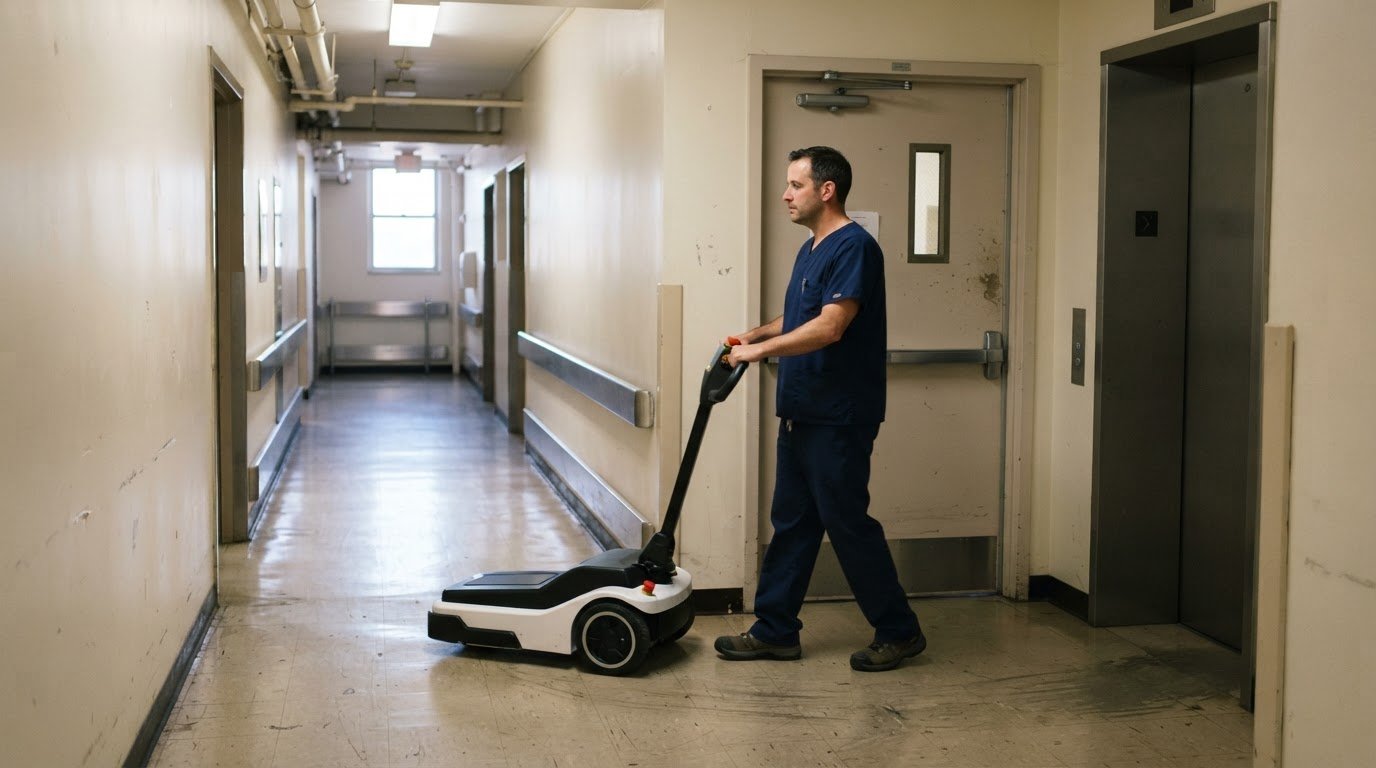
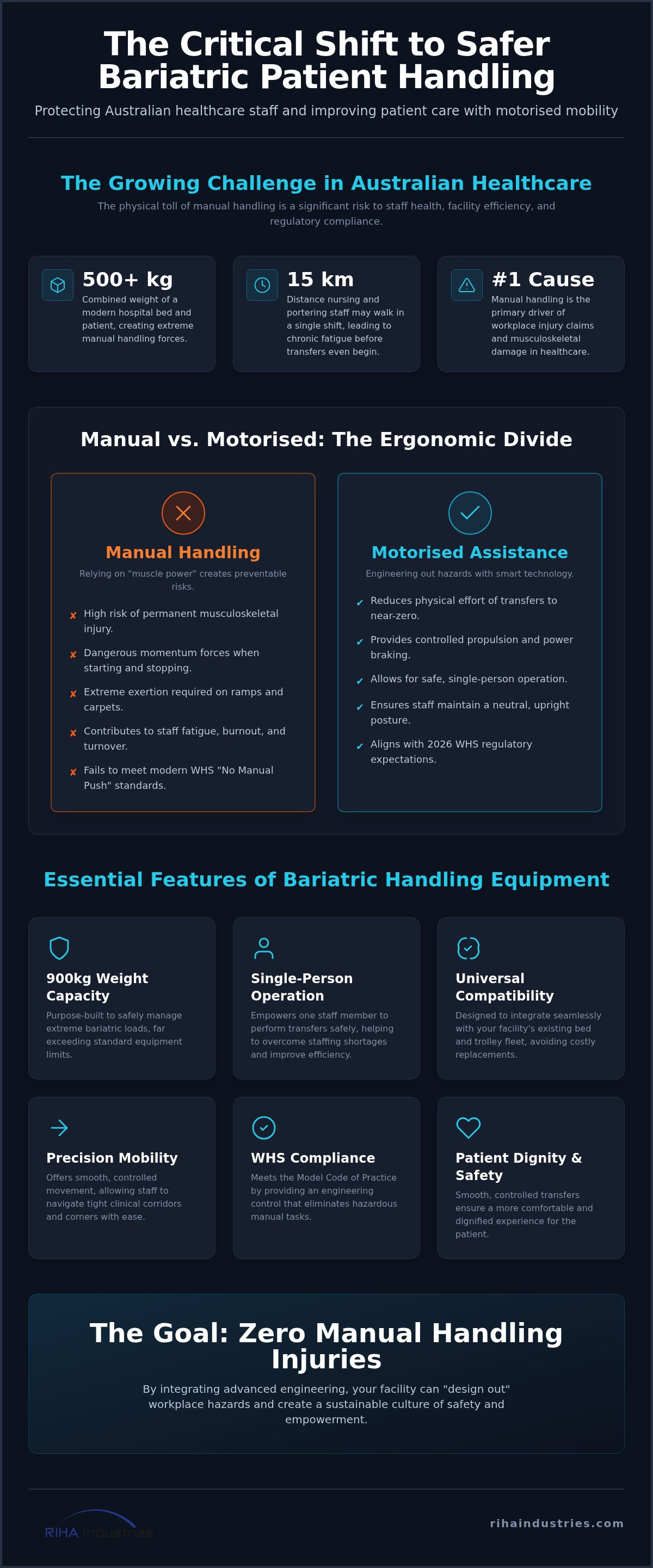
With the combined weight of a modern hospital bed and patient often exceeding 500kg, it's a sobering reality that healthcare remains one of the most injury-prone industries in Australia. You're likely familiar with the immense physical strain your nursing and portering staff face when navigating these heavy loads through narrow clinical corridors. Relying on manual "muscle power" isn't just inefficient; it's a significant risk to your team's long-term health. Finding the right bariatric patient handling equipment is no longer just about compliance, it's about creating a culture of safety and empowerment within your facility.
We understand that protecting your staff while improving patient outcomes is your top priority. This guide will show you how to transition from risky manual techniques to precision motorised mobility. You'll discover how the latest high-capacity transfer technology allows for seamless, single-person operation, even in the tightest spaces. We'll examine how the StaminaLift series, including the StaminaLift Transfer System 6000, solves compatibility issues with existing bed fleets and helps you reach the goal of zero manual handling injuries. By the end of this guide, you'll have a clear roadmap for integrating advanced engineering to "design out" workplace hazards for good.
Table of Contents
The Growing Challenge of Bariatric Patient Handling in Australian Healthcare
Motorised vs. Manual: The Ergonomics of Moving Bariatric Loads
Essential Features of Professional Bariatric Patient Handling Equipment
Implementing a Safe Handling Strategy for Bariatric Patients
Why RIHA Industries is Australia’s Leader in Bariatric Mobility
The Growing Challenge of Bariatric Patient Handling in Australian Healthcare
The prevalence of obesity in Australia has doubled since 1980, a shift that is now directly reflected in acute care admission rates. With an estimated 2.6 million Australians classified as obese, hospitals are frequently managing patients who exceed the safe working loads of standard medical furniture. Traditional equipment often maxes out at 120kg to 135kg, leaving a dangerous gap when caring for patients over 250kg. When facilities rely on equipment not specifically engineered for these extreme weights, they risk mechanical failure and compromise the dignity of the patient. Modern bariatric care requires a transition from standard tools to specialised bariatric patient handling equipment that is purpose-built for high-capacity loads.
The Physical Toll on Nursing and Portering Staff
Staff safety is often the first casualty of inadequate equipment. Portering and nursing teams frequently walk upwards of 15km during a single shift, a "hidden burden" that leads to chronic fatigue even before the physical exertion of a transfer begins. Pushing a bariatric bed, which can weigh over 500kg when occupied, is one of the highest-risk activities in a clinical setting. The sheer force required to overcome static friction or navigate a heavy load around a tight corner can easily cause permanent musculoskeletal damage. Statistics in the healthcare sector consistently show that manual handling is the primary driver of workplace claims. This preventable back strain doesn't just hurt the individual; it leads to high staff turnover and significant recruitment costs for the organisation.
Regulatory Compliance and WHS Standards in 2026
Meeting Australian WHS standards in 2026 requires more than just training; it demands the implementation of engineering controls. Under the "Model Code of Practice: Hazardous manual tasks," employers have a legal duty to identify and eliminate risks. This has led to a nationwide shift toward "No Lift" and "No Manual Push" policies. To remain compliant, facilities must move away from manual "muscle power" and adopt technology that removes the physical burden from the operator. This includes the strategic use of a patient lift for vertical transfers and motorised movers for horizontal transport. Choosing the right tools is a complex process, so it's vital to review specific patient handling equipment selection criteria to ensure your fleet meets these rigorous safety benchmarks. By prioritising motorised bariatric patient handling equipment, you align your facility with 2026 regulatory expectations while protecting your most valuable asset: your people.
Motorised vs. Manual: The Ergonomics of Moving Bariatric Loads
When managing a bariatric bed, the physics of momentum present a significant workplace hazard that is often underestimated. While the initial force required to start a 500kg bed is substantial, the kinetic energy required to stop that same mass is equally dangerous. If a staff member must suddenly halt or redirect a heavy load to avoid an obstacle, the sudden deceleration places extreme stress on the lumbar spine and shoulders. Motorised bariatric patient handling equipment effectively neutralises these forces by providing controlled, power-assisted propulsion and braking. This technology reduces the physical effort of transfers to near-zero, ensuring that the operator remains in a neutral, upright posture throughout the journey.
Floor surfaces and facility gradients further complicate manual handling. Pushing a high-capacity bed across thick clinical carpeting or up a slight ramp requires forceful exertion that far exceeds safe ergonomic limits. Evidence-based Safe Patient Handling Programs highlight that engineering controls, such as motorised movers, are the most effective way to mitigate these environmental risks. By removing the need for manual pushing, facilities can ensure that staff safety is maintained regardless of the architectural challenges of the building.
Horizontal Transfer: The Overlooked Safety Factor
In many clinical settings, a great deal of attention is given to vertical lifting via hoists, yet horizontal transport remains a significant gap in safety protocols. While a patient lift is essential for moving a person from a bed to a chair, it doesn't solve the problem of moving the occupied bed itself between departments. Manual bed repositioning and long-distance transport are prime causes of repetitive strain injuries. Horizontal transfer ergonomics in 2026 is defined by the total elimination of peak manual push/pull forces through the use of synchronised motorised propulsion systems.
The Role of Precise Braking and Control
Safe bariatric transport requires more than just power; it requires sophisticated control. Modern systems like the StaminaLift TS6000 feature automatic braking as a critical fail-safe. If the operator releases the controls, the system brings the heavy load to a controlled stop, even on a slope. This is vital for managing 7-degree inclines without manual intervention, providing peace of mind in high-pressure environments. Joystick controls allow for programmable speed settings, tailoring the equipment's responsiveness to individual staff preferences and specific clinical needs. Investing in the StaminaLift series allows your team to navigate complex environments with confidence and precision.
Essential Features of Professional Bariatric Patient Handling Equipment
Selecting the right bariatric patient handling equipment requires a focus on engineering that anticipates the extreme demands of modern clinical environments. In 2026, a weight capacity of 900kg has become the new benchmark for high-capacity movers. This standard ensures that even the heaviest patients, combined with the significant mass of specialised bariatric bed frames, can be transported without risking mechanical failure. The StaminaLift TS6000 is specifically designed to meet this requirement, providing the power needed to move nearly a tonne with ease, even when navigating 7-degree inclines.
Universal compatibility is equally vital for operational efficiency. A professional mover should connect to 95% of global hospital bed designs, allowing it to function as a versatile tool across different departments. This eliminates the need for multiple specialised units and simplifies staff training. To complement this versatility, a 360-degree turning radius is essential for manoeuvrability. This allows a single operator to guide a heavy bed through narrow corridors and tight wards with millimetre precision, reducing the risk of collisions with walls or other equipment.
Reliability is underpinned by modern battery technology. Upgrading to lithium-ion systems with integrated charging allows for 24/7 availability, ensuring that the equipment is always ready for an urgent transfer. These systems offer longer run times and faster charging cycles than traditional lead-acid batteries, which is critical for facilities with high admission rates. By choosing equipment that stays in service longer, you ensure that your staff always have the support they need to work safely.
Patented Attachment Mechanisms
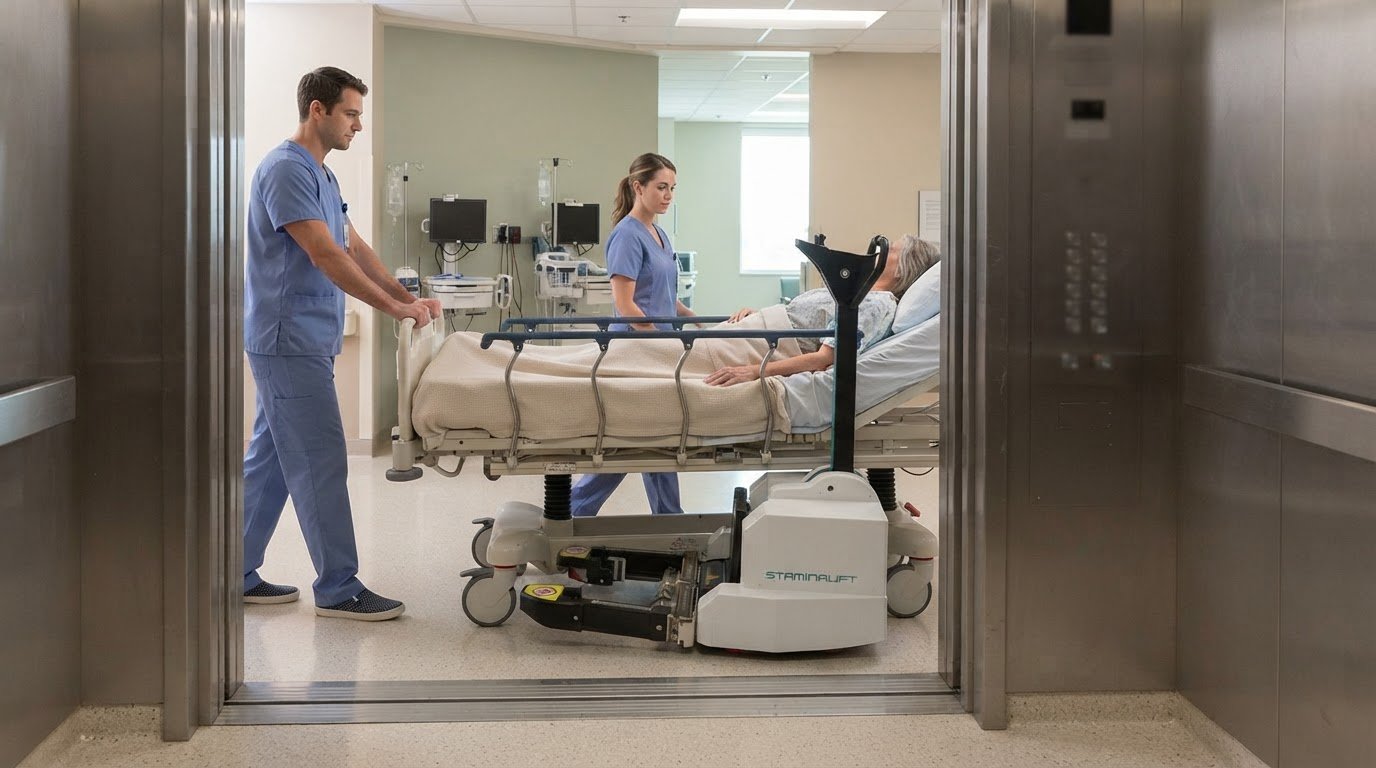
Staff safety is significantly enhanced through hands-free operation. The "Connect and Lock" jaw system allows the mover to securely grip the bed frame without the operator needing to bend or reach near the wheels. By utilising an extended rack system, the mover adapts to various wheelbases, ensuring a stable and secure connection every time. The StaminaLift TS6000 integrates seamlessly with both specialised bariatric frames and standard acute care beds, providing a single, reliable solution for the entire facility.
Technological Integration and Diagnostics
Modern movers provide more than just physical assistance; they offer intelligent data insights. Bluetooth connectivity enables facility managers to monitor battery health and usage history in real-time, facilitating proactive maintenance and preventing unexpected downtime. These systems also prioritise the patient experience by maintaining quiet operation at approximately 65 dB, which helps preserve a calm healing environment. For organisations looking to modernise their fleet, consulting a 2026 hospital bed mover procurement guide is a necessary step to ensure all technical and safety requirements are met.
Implementing a Safe Handling Strategy for Bariatric Patients
Developing a robust strategy for bariatric care requires a shift from reactive equipment purchasing to proactive risk management. A comprehensive facility-wide audit is the first step in identifying where manual handling risks are most acute. This process involves mapping the clinical journey of a bariatric patient, from admission through to diagnostic imaging and surgical suites. By pinpointing bottlenecks where staff are still forced to use manual "muscle power," you can strategically deploy bariatric patient handling equipment to eliminate these hazards. Operational reliability is maintained through a structured approach to staff certification and a rigorous preventative maintenance schedule. To ensure all your facility's high-capacity weighing equipment is also performing to standard, read more about Independent Scale Service.
Assessing the physical environment is crucial for successful implementation. You must evaluate corridor widths, lift capacities, and the gradients of any internal ramps to ensure your chosen movers can operate without restriction. In many Australian facilities, the 360-degree turning radius of the StaminaLift series allows for safe navigation in areas where traditional movers would struggle. Determining the correct ratio of movers to patient beds is also essential. By prioritising "Single-Person Operation," you directly address current staffing shortages, allowing one porter or nurse to perform tasks that previously required three or four people. This efficiency doesn't just save time; it ensures that patient transfers aren't delayed due to a lack of available personnel.
The Financial Case for Motorised Mobility
Building a business case for motorised technology requires a clear focus on the return on investment (ROI). Beyond the initial purchase, the long-term savings in workers' compensation claims and staff absenteeism are substantial. For instance, a South Australian hospital case study demonstrated that implementing the StaminaLift system reduced bed-moving injuries from 20% to zero. You can use the RIHA ROI calculator to quantify these benefits for your own organisation, balancing the cost of equipment against the high price of preventable injuries. To ensure these assets remain in peak condition and provide a long service life, it's vital to follow a hospital bed mover repair service schedule. If you're ready to upgrade your facility's safety standards and protect your workforce, you can view our complete range of bariatric transfer solutions to find the right fit for your clinical needs.
Why RIHA Industries is Australia’s Leader in Bariatric Mobility
RIHA Industries stands as a South Australian manufacturer at the forefront of healthcare innovation, specialising in solutions that bridge the gap between mechanical capability and human impact. We've dedicated our engineering expertise to solving the most complex challenges in bariatric mobility, positioning ourselves as a visionary expert in the field. Our flagship bariatric patient handling equipment is trusted by leading global healthcare providers, reflecting our status as an FDA-registered entity. By manufacturing locally, we provide a level of reliability and responsiveness that overseas vendors simply can't match. This includes a commitment to 24-hour parts shipping for Australian facilities, ensuring your equipment stays in service when it's needed most. We don't just sell machines; we provide long-term support as a stable partner in your facility's safety mission.
The StaminaLift Difference: TS6000 Specifications
The StaminaLift TS6000 is engineered specifically for the heaviest bariatric loads, offering a 450kg lift capacity and a massive 900kg push/pull capacity. This allows a single operator to transport nearly a tonne up a 7-degree incline with total confidence and zero physical strain. Despite this incredible power, the unit maintains a compact design that adds only 200mm to the total bed length, preserving precious space in lifts and hallways. Its 360-degree turning radius ensures that manoeuvrability isn't compromised, even in the most confined clinical spaces. We also provide custom engineering solutions for theatre tables and unique equipment, ensuring that every piece of your facility's fleet can be moved safely without manual intervention.
Comprehensive Support and Maintenance
Reliability is a core pillar of our brand, which is why we offer national service coverage across Australia. We understand that equipment downtime isn't an option in high-stakes clinical environments where patient flow is critical. To support your facility's internal engineering teams, we provide an online 3D viewer for in-house servicing and diagnostics, making maintenance simpler and more transparent. This proactive support model ensures your investment remains a protective ally for your staff for the long term. Our goal is to empower your team, proving that even the most difficult physical challenges can be solved through thoughtful engineering. If you're ready to experience the difference that this level of precision can make in your facility, we invite you to contact RIHA Industries for a hands-on demonstration of our latest bariatric patient handling equipment.
Securing the Future of Clinical Safety
Transitioning to a modern safety model requires moving beyond outdated manual techniques that place your team at risk. We've explored how advanced bariatric patient handling equipment like the StaminaLift TS6000 removes the physical burden from your staff, allowing for seamless single-person operation even with loads up to 900kg. By integrating motorised mobility, you don't just meet 2026 WHS standards; you actively protect your healthcare professionals from life-altering musculoskeletal injuries while preserving patient dignity.
RIHA Industries is a proudly Australian-made and owned manufacturer, dedicated to providing the high-capacity technology your facility needs to thrive. As an FDA-registered global leader, we've seen our systems reduce bed-moving injuries to zero in rigorous clinical settings. You can take the first step toward a safer, more efficient workplace by experiencing our engineering firsthand. Book a hands-on demonstration of the StaminaLift TS6000 today to see how we can help you empower your workforce and improve patient outcomes. We're here to help you build a safer clinical environment for everyone.
Frequently Asked Questions
What is the maximum weight capacity of a bariatric bed mover?
The maximum capacity varies by model, but professional systems like the StaminaLift TS6000 are engineered to handle nearly one tonne. This specific model provides a 450kg lift capacity and a 900kg push or pull capacity under full load. These benchmarks ensure the equipment can safely transport heavy bariatric beds and patients even on a 7-degree incline, which is essential for maintaining safety in modern acute care environments.
Can one person safely move a bariatric patient bed alone?
Yes, motorised bariatric patient handling equipment is specifically designed for single-person operation. By using powered propulsion and programmable joystick controls, a single staff member can move a bed that would typically require a team of three or four people. This technology eliminates the need for manual pushing or pulling, allowing a single porter or nurse to navigate heavy loads through tight clinical spaces without risking musculoskeletal injury.
Are motorised bed movers compatible with all bariatric bed brands?
Most high-quality movers are designed with universal compatibility in mind. For example, the StaminaLift series utilises patented attachment mechanisms that allow it to connect to approximately 95% of all hospital beds, stretchers, and trolleys globally. This includes specialised bariatric frames with unique structural features or plastic coverings. The "Connect and Lock" jaw system ensures a secure, hands-free connection across various wheelbases and frame designs without the need for manual tools.
How do motorised movers handle ramps and inclines in hospitals?
Motorised movers are engineered to manage the unique challenges of hospital architecture, such as internal ramps and gradients. The StaminaLift TS6000 is rated to transport nearly one tonne up a 7-degree incline under full load. Safety is further enhanced by automatic braking systems that engage as soon as the joystick is released. This ensures the heavy load remains completely controlled and stationary on a slope, preventing any risk of runaway equipment.
What maintenance is required for bariatric patient handling equipment?
Reliability is maintained through a structured preventative maintenance schedule. This typically involves regular battery health checks, software updates, and mechanical inspections of the attachment jaws. To support facility managers, RIHA Industries provides an online 3D viewer to assist with in-house servicing and part replacement. Bluetooth connectivity also allows for real-time diagnostics and usage history monitoring, helping teams identify maintenance needs before they lead to unexpected equipment downtime or operational delays.
Is the StaminaLift TS6000 FDA-registered for safety?
Yes, the StaminaLift TS6000 is an FDA-registered medical device, reflecting its status as a trusted solution for global healthcare providers. RIHA Industries is currently the only bed mover manufacturer to hold this registration in the United States. This certification serves as a testament to the equipment's rigorous safety standards and engineering quality, ensuring it meets the high-stakes requirements of both Australian metropolitan hospitals and international clinical facilities.
How does motorised equipment help reduce nurse back injuries?
Motorised bariatric patient handling equipment reduces injuries by "engineering out" the forceful exertion required to move heavy loads. Instead of using their own physical strength to overcome static friction, staff use a joystick to control the machine's power. Statistics from a large South Australian hospital showed that bed-moving injuries were reduced from 20% to zero within two years of implementing StaminaLift technology, effectively protecting staff from chronic back strain.
Can I use a bed mover in a standard hospital lift or elevator?
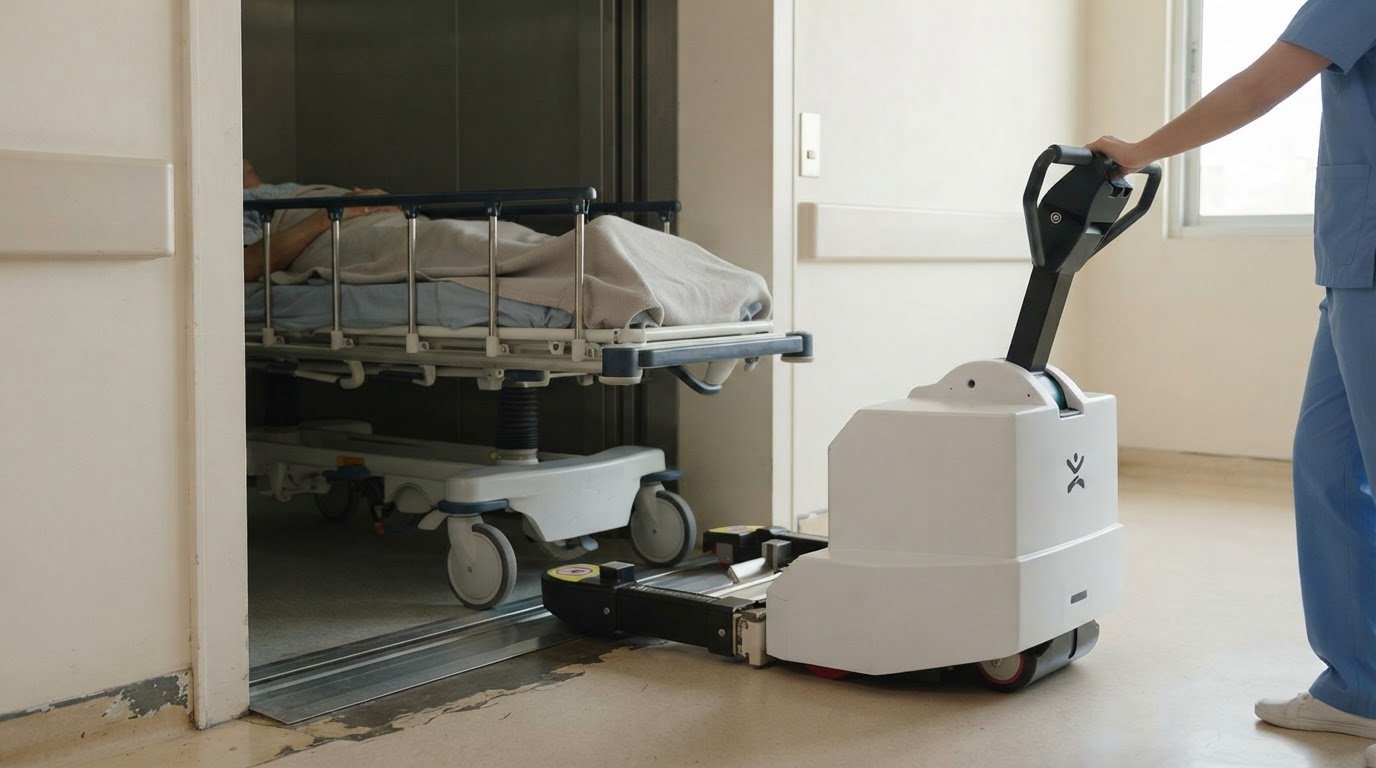
Yes, the compact design of modern movers ensures they can be used in standard hospital lifts. When connected, a StaminaLift unit typically adds only 180mm to 200mm to the total length of a hospital bed. This sleek profile, combined with a 360-degree turning radius, allows operators to manoeuvre heavy bariatric beds into confined spaces and elevators with ease. This ensures that patient transport remains efficient across different floors without requiring oversized specialised lifts.