Bed Mover Fleet Management: Optimising Hospital Logistics and Staff Safety
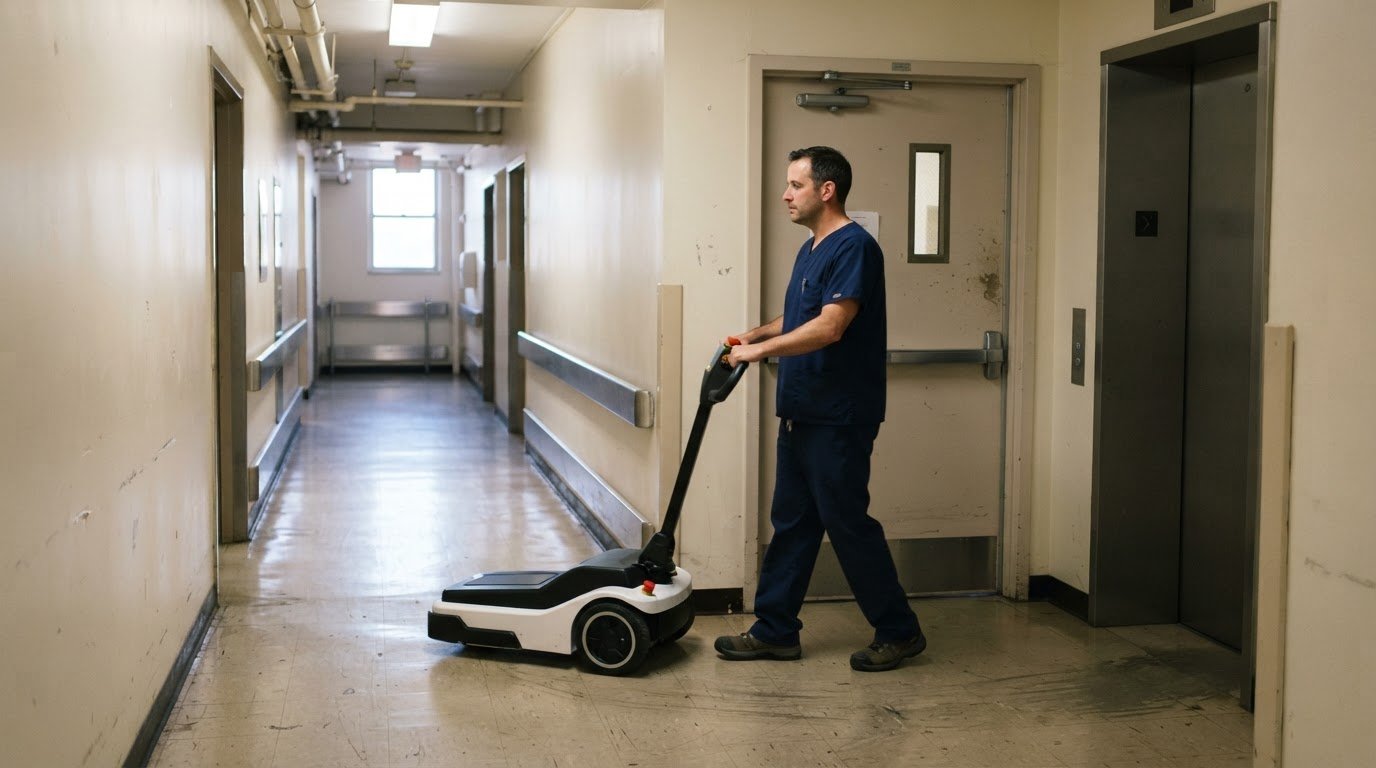
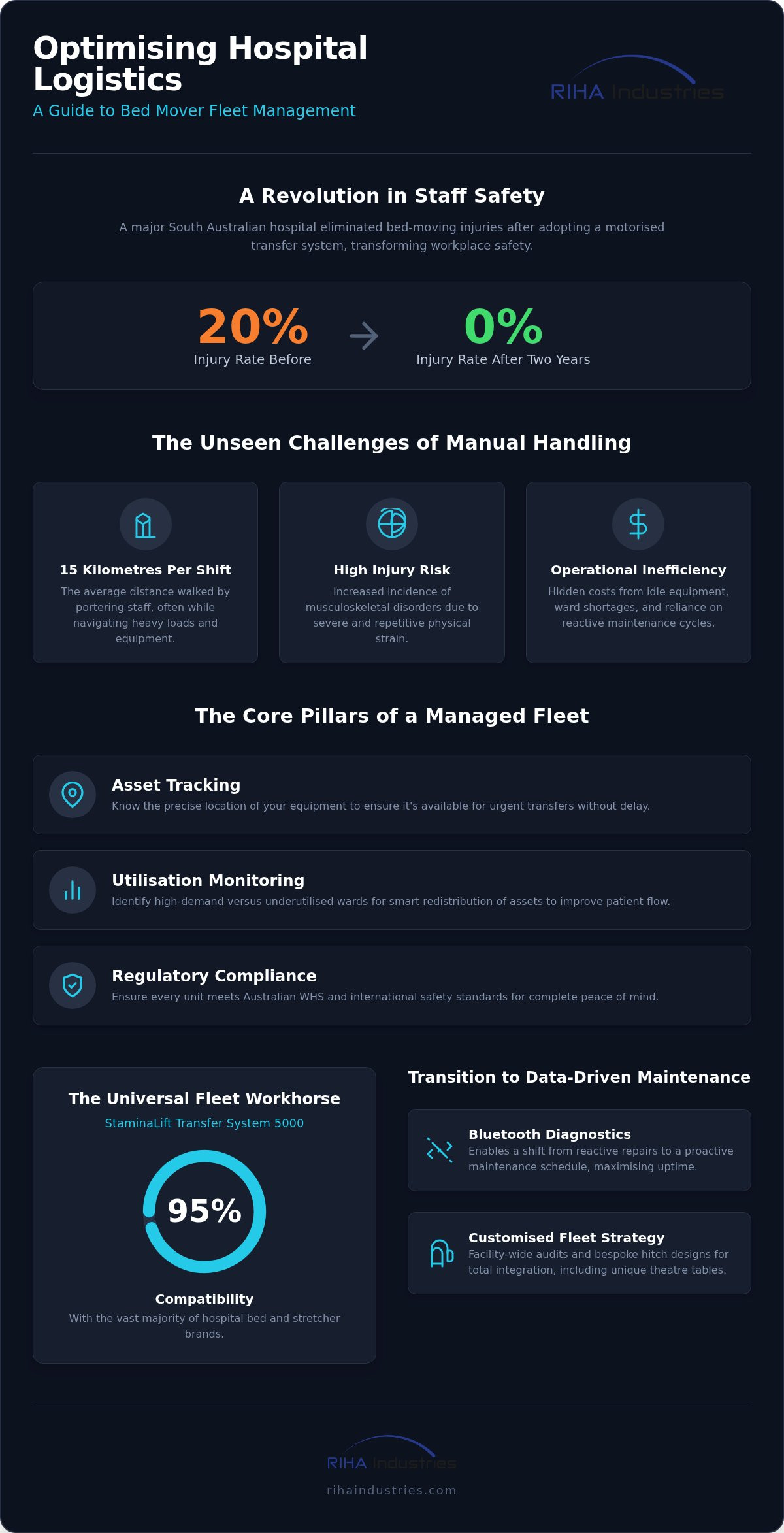
Did you know that a major South Australian hospital reduced bed-moving injuries from 20% to zero in just two years after adopting a motorised transfer system? Moving heavy patients and equipment is a physically demanding reality, especially when portering staff can walk up to 15 kilometres in a single shift. You likely recognise the strain this places on your team and the logistical headaches caused when equipment fails or batteries aren't charged. Effective bed mover fleet management transforms these tools from simple mechanical aids into a sophisticated safety system that protects your most valuable assets: your people.
We understand that managing a diverse fleet across multiple wards is a complex task. In this article, you'll learn how to optimise your hospital logistics to eliminate manual handling injuries while significantly increasing equipment uptime. We'll examine how the universal compatibility of the StaminaLift TS5000 and StaminaLift TS6000 streamlines transfers, and how Bluetooth diagnostics provide the visibility needed for proactive maintenance. By the end, you'll have a clear roadmap for extending the operational life of your capital equipment and ensuring every patient transfer is handled with precision and care.
Table of Contents
What is Bed Mover Fleet Management in Healthcare?
Bed mover fleet management is defined as the strategic coordination and oversight of motorised equipment designed to facilitate patient transport services. It moves beyond simple procurement, focusing instead on ensuring that every unit within a facility is available, safe, and functioning at peak operational efficiency. In the demanding environment of an Australian hospital, portering staff often walk up to 15 kilometres per day while navigating heavy loads. When fleet reliability is compromised, the physical strain on these individuals peaks, leading to a higher incidence of musculoskeletal disorders. Adopting a structured management approach is a critical factor in meeting Australian WHS manual handling guidelines, as it ensures that mechanical assistance is always ready when needed.
Taking a "set and forget" approach to equipment often results in hidden costs that drain hospital budgets. Without active oversight, units may sit idle in one ward while porters in another struggle with manual transfers due to equipment shortages. This lack of coordination doesn't just impact staff morale; it creates significant risks of workplace injury. A robust bed mover fleet management strategy eliminates these gaps by treating motorised movers as vital clinical assets rather than simple utility tools.
The Core Components of a Managed Fleet
Effective management relies on three fundamental pillars:
Asset tracking: Knowing the precise location of your StaminaLift Transfer System 5000 units ensures that equipment is available for urgent transfers without delay.
Utilisation monitoring: Identifying high-demand areas versus underutilised wards allows for the smart redistribution of assets to improve patient flow.
Regulatory compliance: Ensuring every unit meets both FDA and Australian safety standards provides peace of mind that your equipment is world-class and legally compliant.
The Financial Impact of Managed Mobility
The decision to invest in a managed fleet pays dividends through both safety and fiscal efficiency. Hospital administrators can use ROI calculators to justify fleet expansion, often finding that the reduction in labour costs and injury-related absences covers the initial capital outlay. When injuries are reduced to zero, as seen in South Australian facilities using StaminaLift systems, the savings on insurance premiums and staff turnover are substantial. Additionally, working with an Australian manufacturer that provides in-house manufacturing support allows you to extend the lifecycle of older equipment, ensuring your capital investment lasts for years to come.
The RIHA Fleet: Matching Equipment to Facility Requirements
A successful hospital logistics strategy recognises that a one-size-fits-all approach to equipment rarely meets the diverse needs of a modern medical facility. From the wide, high-traffic corridors of an emergency department to the confined spaces of an older surgical wing, the physical environment dictates specific mechanical requirements. Effective bed mover fleet management involves selecting a balanced mix of equipment that addresses these unique pressures while maintaining a standardised operational feel for your staff. By matching the right tool to the specific ward environment, you ensure that porters aren't just moving equipment; they're providing safer, more efficient care with less physical risk.
Building a diverse fleet allows you to address the full spectrum of patient transport without over-investing in niche machinery. While specialised units have their place, the foundation of any reliable fleet is a versatile workhorse that can handle the vast majority of daily transfers. If you're looking to assess your current equipment needs, you can explore our full range of motorised solutions to identify the ideal configuration for your facility.
Standardising with the StaminaLift TS5000
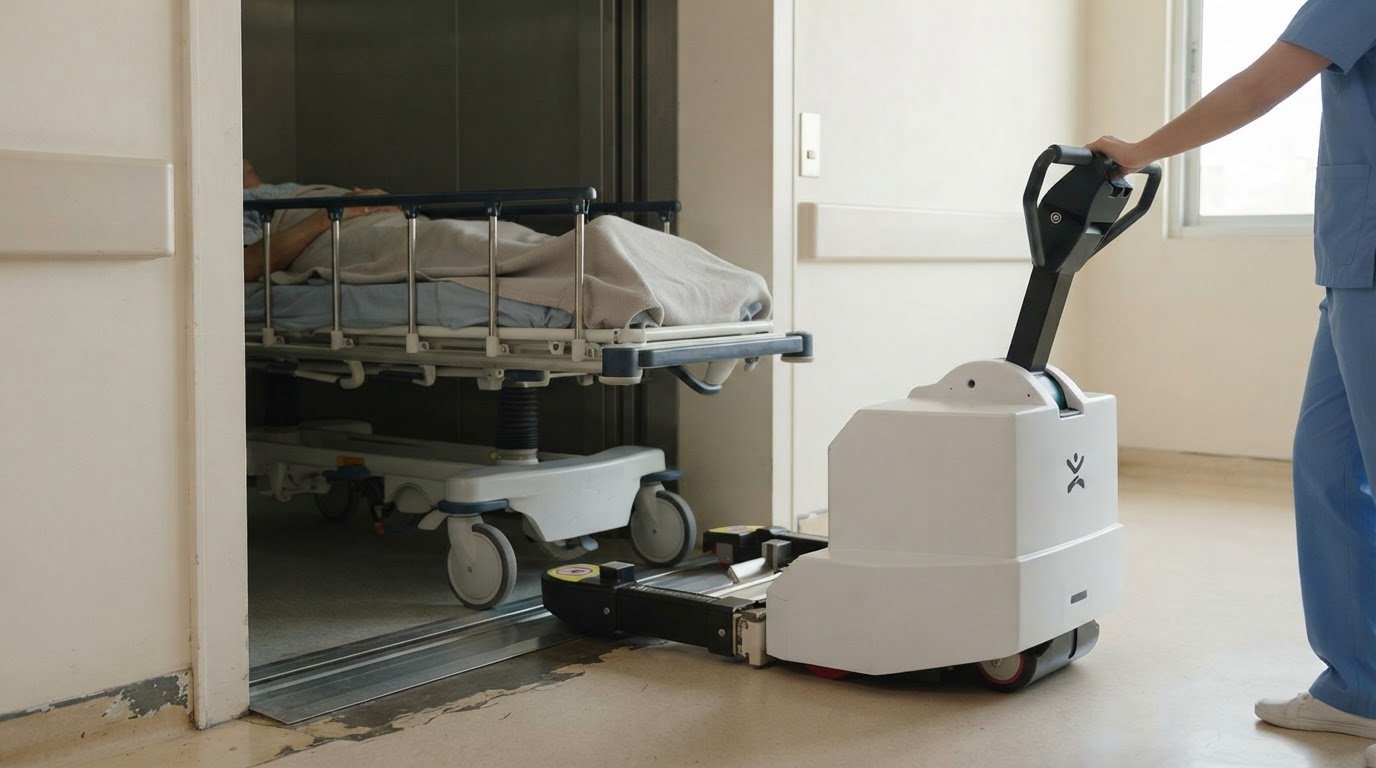
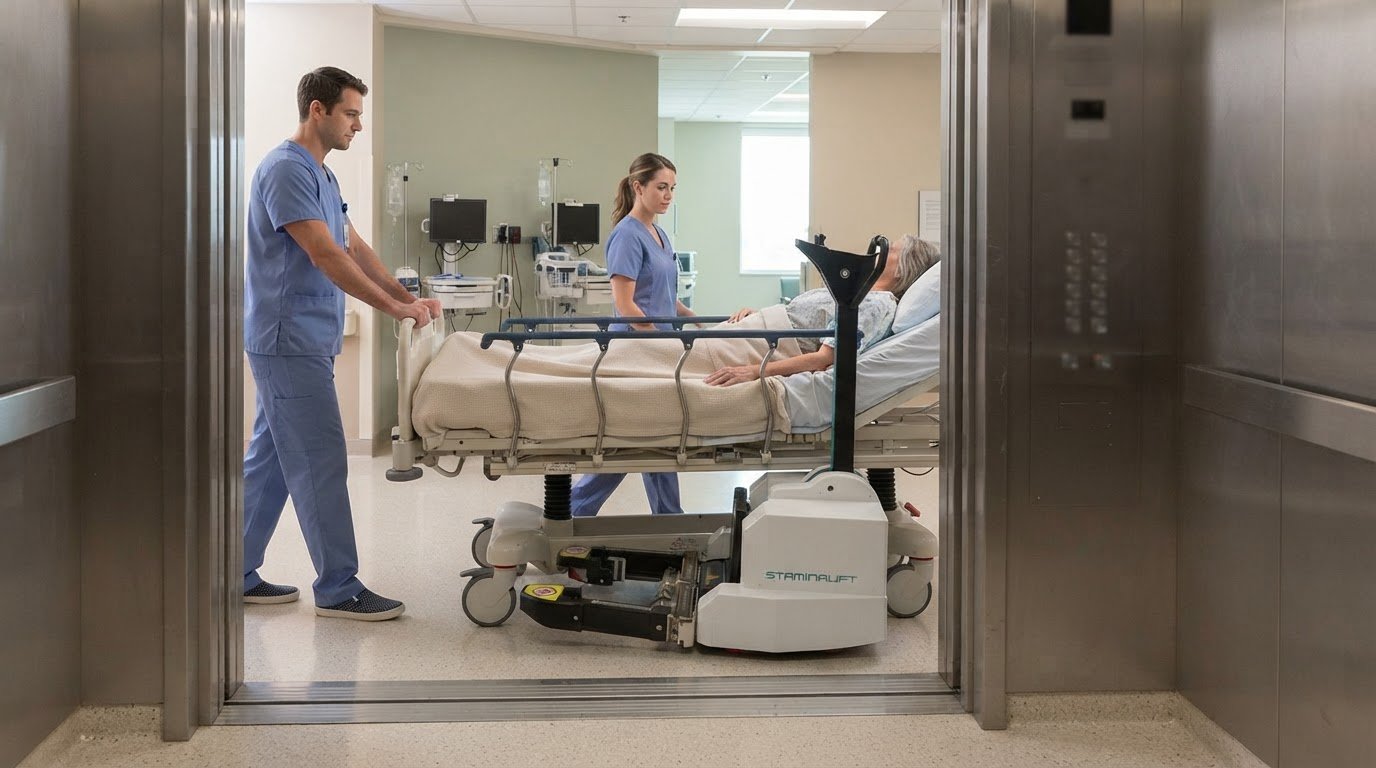
The StaminaLift Transfer System 5000 serves as the universal workhorse for global healthcare facilities. Its primary strength lies in its 95% compatibility with the widest possible range of hospital beds, stretchers, and trolleys, which significantly reduces the need for multiple, ward-specific movers. To navigate the chaotic environment of a busy Australian emergency department, the unit provides a true 360-degree turning circle, allowing for precise movement in tight spots. Because the system is designed for effortless single-person operation, it effectively reduces the staffing requirement for standard patient transfers, allowing your team to be redeployed where they are needed most.
Heavy-Duty and Bariatric Fleet Integration
When patient acuity or weight increases, the fleet must adapt to maintain safety standards. The StaminaLift Transfer System 6000 is engineered for these high-stakes scenarios, offering the capacity to push or pull up to 900kg, even on 7-degree inclines. This model incorporates critical safety features such as automatic braking and emergency releases, providing porters with the confidence to manage heavy-duty transfers without the risk of a runaway load. For smaller, Australian-made beds and exceptionally narrow corridors, the StaminaLift 2100 Bed Mover provides a compact alternative that doesn't sacrifice power. A comprehensive bed mover fleet management plan also considers non-patient logistics, utilising the Easi Rider and Easi Mover to streamline the transport of heavy linen and meal trolleys, ensuring that every heavy load in the hospital is motorised and manageable. This focus on specialised machinery extends to external facility maintenance, where choosing the right tools, such as tracked wood chipper hire, ensures that even the most demanding outdoor tasks are handled with the same level of precision and safety as internal patient transfers.
Data-Driven Oversight: Bluetooth Diagnostics and Battery Management
Traditional bed mover fleet management often relied on manual logs and reactive maintenance, which frequently led to equipment being unavailable when it was needed most. Today, digital connectivity transforms how facilities oversee their motorised assets. By integrating Bluetooth diagnostics, managers gain real-time visibility into usage patterns and mechanical health. This data allows you to identify which wards or shifts are under-utilising equipment or where porters might benefit from additional coaching. If usage history shows a specific unit is frequently left in low-traffic zones, you can intervene to keep the fleet centred where it's needed most, reducing the time staff spend searching for available movers.
Empowering your team with data-driven insights shifts the focus from fixing problems to preventing them. When you can see that a unit is being used for unusually long periods without a charge, you can adjust ward workflows before a breakdown occurs. This level of oversight provides a sense of relief for facility managers, as it ensures that the logistical backbone of the hospital remains strong and predictable even during peak admission periods. Just as motorised movers provide on-demand patient transport, digital platforms are revolutionising mobility in other sectors; for those needing reliable airport transfers in Grenada, you can check out Ryde Go for professional rideshare services.
Reliable uptime depends on disciplined power management and modern hardware. Current units feature retractable charging cables, which eliminate tripping hazards in busy corridors and encourage staff to plug in equipment immediately after use. Through the RIHA app, maintenance teams can monitor charging cycles to prevent deep-discharge damage, a leading cause of premature battery failure in healthcare settings. Upgrading to Lithium-ion batteries provides a 20% performance boost over conventional lead-acid options, ensuring your fleet stays operational through the longest shifts without requiring mid-day charges.
Diagnostic Feedback for Maintenance Teams
Proactive oversight prevents the frustration of mid-transfer breakdowns and protects patient safety. Bluetooth connectivity delivers diagnostic feedback directly to your internal biomedical engineers, simplifying the troubleshooting process. Instead of guessing why a unit is underperforming, technicians can access error logs and usage history to pinpoint issues before they escalate into costly repairs. This level of detail is invaluable for bed mover fleet management, as it provides the evidence needed to justify replacement cycles based on actual wear and tear rather than arbitrary dates. By catching mechanical wear early, you protect your capital investment and ensure that staff safety is never compromised by failing machinery.
Maintenance and Training: Protecting Your Fleet Investment
Maintaining a fleet of motorised equipment requires a shift from reactive fixes to a structured lifecycle approach. A professional hospital bed mover repair service is essential for ensuring every unit remains compliant with Australian safety standards. Bed mover fleet management excels when internal engineering teams are empowered with the right tools. By utilising 3D-viewer-assisted diagnostic tools, your biomedical staff can perform complex servicing in-house, reducing the reliance on external contractors. This is particularly valuable for facilities that need to keep equipment on-site to maintain operational capacity. If you need to establish a preventative maintenance schedule for your facility, contact our technical support team today to discuss a tailored plan.
Staff certification is the second pillar of investment protection. Every operator should be trained on the specific drive programs of the StaminaLift Transfer System 5000, as understanding the nuances of joystick control and braking patterns prevents accidental damage to both the mover and the hospital infrastructure. Preventative maintenance contracts balance this internal skill set with manufacturer expertise, ensuring that high-level software updates and mechanical overhauls are handled by those who designed the equipment.
Servicing in Remote and Rural Areas
Rural hospitals often face long wait times for specialised technicians, which can lead to extended equipment downtime. To solve this, RIHA Industries supports regional facilities with 24-hour parts shipping and interactive online 3D models that guide local engineers through the repair process. We utilise CAD-designed, 3D-printed parts to maintain even discontinued equipment, preventing the premature decommissioning of older assets. By bypassing the traditional distributor-only model, rural managers gain direct access to manufacturer support, ensuring their fleet remains as reliable as those in major metropolitan centres.
Creating a Culture of Safety
Technical maintenance must be paired with a robust safety culture to be truly effective. Implementing a mandatory "no-push" policy ensures that staff always reach for a motorised mover rather than risking a manual transfer. For porters covering vast distances, ride-on platforms play a vital role in reducing fatigue, which is a major contributor to workplace accidents. Regular OHS inspections should be integrated into your bed mover fleet management routine to verify that automatic braking systems and emergency stops are fully functional. When staff see that their equipment is meticulously maintained, it reinforces the message that their physical well-being is the hospital's top priority.
Implementing a Fleet Strategy with RIHA Industries
Establishing a successful bed mover fleet management strategy begins with a comprehensive, facility-wide audit. This process involves more than just counting units; it requires a deep analysis of current manual handling risks and identifying critical equipment gaps across various departments. We don't just deliver machinery; we partner with your facility to understand the specific logistical hurdles your porters face every day. By assessing the unique flow of patient transfers, we can ensure your fleet is sized correctly to meet peak demand without leaving expensive assets idle in low-traffic corridors.
Customisation is a cornerstone of our approach to hospital logistics. We recognise that some clinical environments use specialised equipment, such as unique theatre tables or non-standard imaging trolleys, that don't always fit universal hitches. Our engineering team works directly with facilities to develop custom hitches or clamps, ensuring that even your most specialised assets can be motorised. Transitioning from manual beds to a sophisticated motorised system is a significant operational shift. To help manage this change, our hospital bed mover procurement guide provides a structured framework for integrating new technology into your existing asset register.
Strategic Procurement and ROI
Presenting a business case to hospital executives requires clear evidence of both safety improvements and fiscal responsibility. Using the RIHA ROI calculator, you can develop a phased rollout plan that manages capital expenditure while demonstrating the long-term savings associated with reduced injury claims and staff turnover. It's vital that any new investment meets the highest global standards. Because our equipment is FDA-registered and Australian-made, you gain the assurance of world-class quality control and direct access to the engineers who designed the units. This local manufacturing advantage ensures that your fleet remains compliant with the latest Australian safety regulations from the day of delivery.
Ongoing Support and Global Reliability
Long-term fleet success depends on reliable support that extends far beyond the initial purchase. RIHA Industries provides national service coverage across Australia, ensuring that expert technicians are available to support your in-house team whenever required. We back our equipment with a 24-hour response guarantee for technical inquiries, providing the peace of mind that your logistics won't be stalled by unresolved mechanical issues. Our "Customer-First" strategy is built on the belief that we are a long-term partner in your staff's safety. When you're ready to see the impact of motorised mobility first-hand, the next step is booking a hands-on demonstration to trial StaminaLift units within your specific ward environments.
Transforming Hospital Safety Through Strategic Fleet Oversight
Adopting a sophisticated approach to bed mover fleet management is about more than just moving equipment; it's about protecting your workforce and ensuring seamless patient care. By integrating universal workhorses like the StaminaLift TS5000 and leveraging Bluetooth diagnostics, you move from a reactive maintenance model to a proactive system of data-driven safety. You've seen how South Australian hospitals have reduced manual handling injuries to zero, proving that the right combination of technology and strategy creates a safer, more efficient clinical environment.
As an FDA-registered, Australian-made manufacturer, we are dedicated to providing the long-term support your facility needs to thrive. With 24-hour parts shipping worldwide and expert engineering guidance, your logistics team will always have the tools required to maintain peak performance. It's time to empower your staff and eliminate the physical burden of patient transfers once and for all. Optimise your hospital fleet with RIHA Industries; contact our experts today to begin your transition toward a safer, more efficient future.
Frequently Asked Questions
How many bed movers do I need for a 500-bed hospital?
The ideal number of units depends on your specific transfer volume and facility layout rather than just bed count. We recommend conducting a facility audit to track daily patient movements and peak transfer periods. By using our ROI calculator, you can determine a fleet size that ensures equipment availability while maximising your capital investment. Typically, a phased rollout allows you to monitor usage patterns before finalising your total fleet requirements.
Can the StaminaLift TS5000 connect to beds from different manufacturers?
Yes, the StaminaLift TS5000 is engineered for universal compatibility and connects to 95% of global hospital beds, stretchers, and trolleys. Its patented "connect and lock" jaw mechanism allows it to attach to various frames without the need for manual bending or complex strapping. This makes it the ideal workhorse for bed mover fleet management in facilities that use a diverse range of equipment brands across different specialised wards.
How does Bluetooth connectivity help with fleet management?
Bluetooth connectivity provides real-time visibility into your fleet's operational health by delivering diagnostic feedback and usage history directly to your team. Managers can monitor battery levels and charging cycles to prevent deep-discharge damage, which extends the life of expensive assets. This data also helps identify specific wards or shifts that may require further staff coaching, ensuring your motorised movers are utilised correctly and safely across the entire facility.
What is the lifespan of a motorised bed mover with regular maintenance?
With a structured preventative maintenance schedule, a motorised bed mover is designed to provide reliable service for many years. We support the longevity of your investment by manufacturing replacement parts in-house, even for older or discontinued models, using advanced CAD and 3D printing technology. Regular OHS inspections and technical updates ensure that your equipment remains a safe and functional asset within your hospital's long-term logistics strategy.
Do we need to upgrade our hospital’s electrical system for charging a fleet?
Most modern facilities don't require electrical upgrades because our units feature integrated battery chargers that plug into standard wall outlets. The inclusion of retractable cable reels eliminates the need for external, wall-mounted charging stations and reduces tripping hazards in high-traffic corridors. For facilities looking to maximise uptime, upgrading to Lithium-ion batteries can provide a 20% performance boost and shorter charging cycles without changing your existing power infrastructure.
Is it possible to maintain StaminaLift equipment with our own internal engineering team?
We actively support internal biomedical engineering teams by providing advanced online tools, including a 3D viewer for interactive part identification. This allows your staff to perform basic servicing and part replacements in-house, which is especially beneficial for rural facilities. By bypassing traditional distributor-only models, we offer direct manufacturer support and 24-hour shipping for parts, ensuring your team has everything they need to maintain high equipment uptime.
How do I track the ROI of my bed mover fleet?
Tracking your return on investment involves measuring labour cost savings alongside the significant reduction in workplace injury claims. Our ROI calculator factors in the number of beds moved daily and staff hourly rates to demonstrate how motorised assistance reduces the need for two-person transfers. Reducing manual handling injuries from 20% to zero, as seen in South Australian hospitals, also provides substantial savings on insurance premiums and staff turnover.
What happens if a bed mover battery goes flat during a patient transfer?
Our equipment is designed with safety overrides to ensure that patient transfers are never stalled by power issues. Systems like the StaminaLift TS5000 feature emergency brake and jaw releases, while the Easi Rider includes a dedicated brake bypass system for manual movement if the battery is flat. These mechanical safeguards allow staff to safely complete a transfer and return the unit to a charging station without compromising patient security or staff well-being.