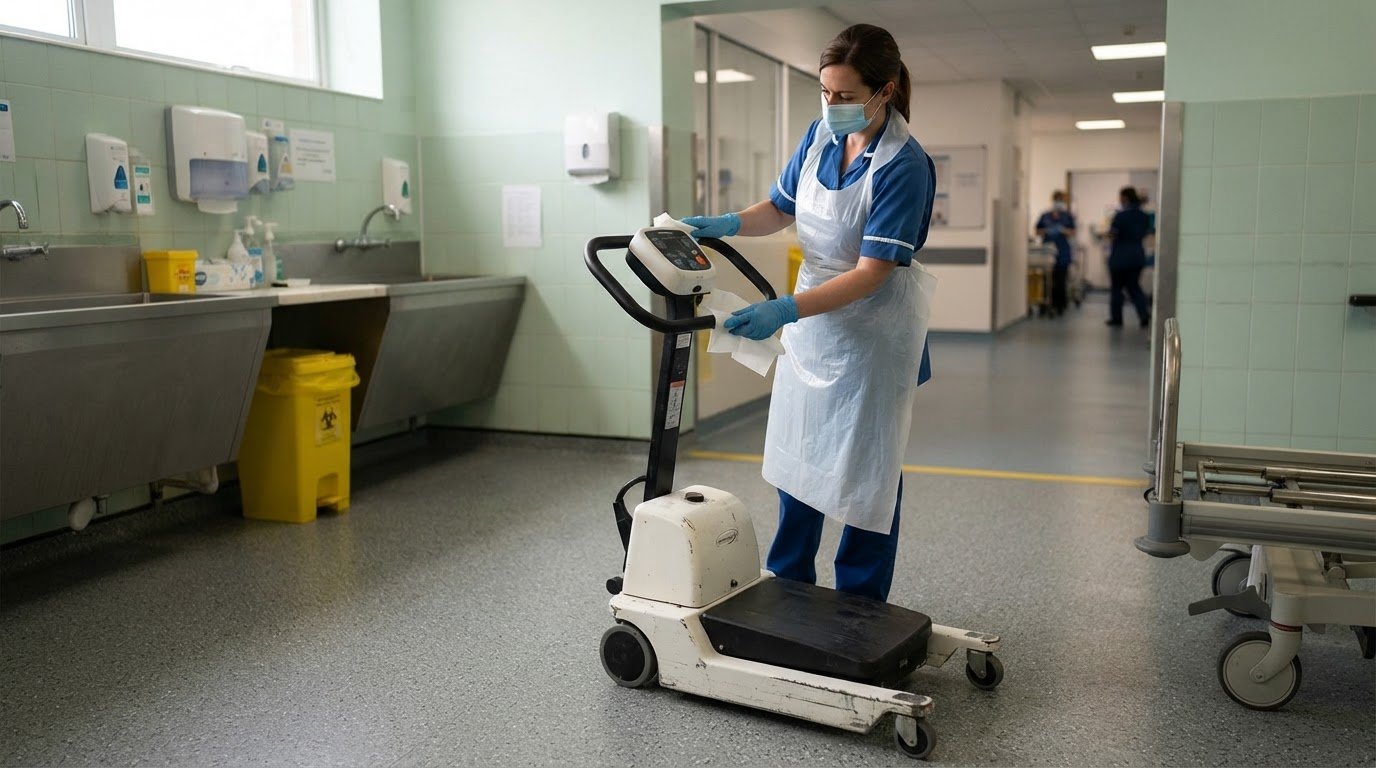
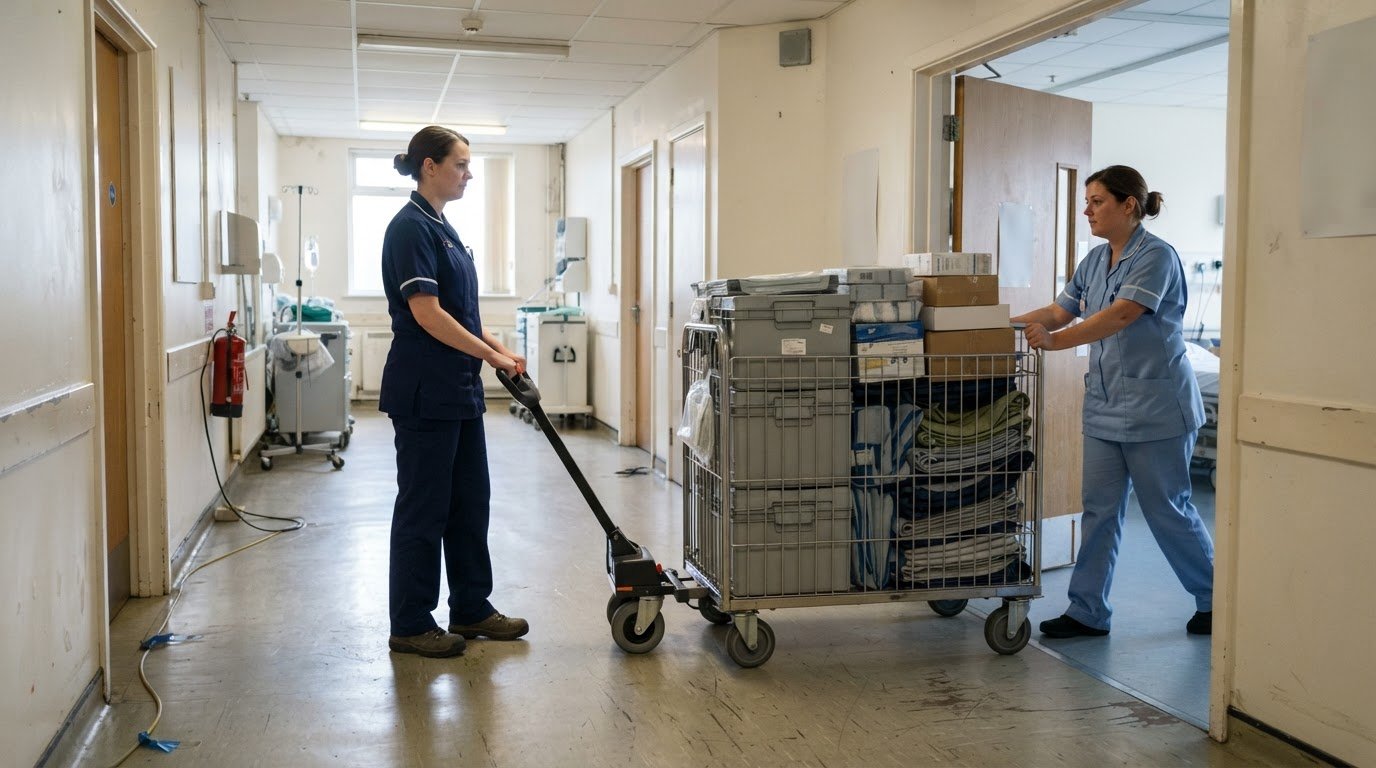
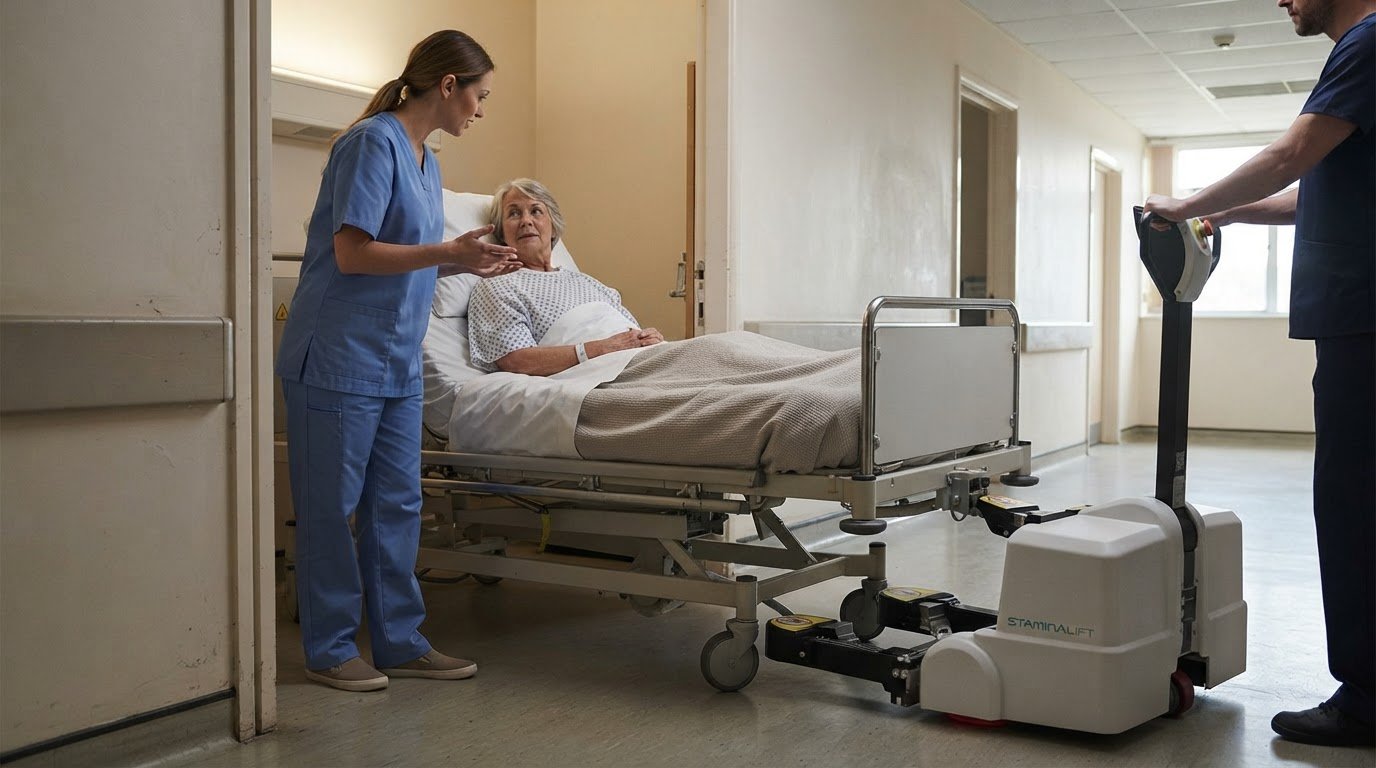
Common Mistakes in Patient Handling: An Australian Healthcare Checklist
What if the biggest risk in a patient move begins before anyone starts lifting? The common mistakes in patient handling often involve more than technique: a transfer may begin without reassessing the person’s needs, checking the space or agreeing on roles. Under time pressure, those details are easy to miss, yet they matter to staff safety and patient dignity.
It’s understandable to feel pressure to keep care moving, especially when needs change or the room is crowded. A brief pause to assess the situation can help the team make a safer, more considered plan. The right approach depends on the person, the task and the equipment available, not on a routine that may no longer fit.
This article highlights avoidable errors before and during a move, then offers a practical checklist for Australian healthcare settings. You’ll review how to assess the transfer, prepare the route, communicate clearly and coordinate the team, as well as when to stop and reassess. It also distinguishes transferring a person between surfaces from moving a bed with a patient in it, so the equipment matches the task.
Table of Contents
Common mistakes in patient handling: why the whole situation matters
Patient handling covers care activities that involve a person’s movement, repositioning or transfer. That might mean helping someone change position in bed, supporting them to move from a chair, or transferring them between surfaces. Each task has different considerations, so a routine that works in one situation may not suit the next.
Patient transfer equipment assists with moving a person between surfaces; a bed mover transports the bed itself, including when a patient is in it. The distinction matters: a bed mover doesn’t lift or transfer a person. A patient lift is one type of assistive equipment used for patient transfers, while powered bed movers are designed for bed transport. Match equipment to the task, alongside clinical judgement and workplace procedures.
The common mistakes in patient handling are rarely about one action in isolation. Patient comfort and wellbeing, staff physical effort, equipment suitability and the surrounding environment all influence how a move unfolds. A route may be clear at the start but difficult to negotiate around a tight corner. A person’s ability or comfort may also have changed since their last transfer. Safer decisions come from considering the full situation, not just the lifting motion.
Why patient-handling mistakes happen in real clinical settings
Care work can be interrupted, time-sensitive and unpredictable. A call bell, a change in a patient’s condition or an unexpected delay may disrupt a familiar routine. Staff may then rely on the previous plan without noticing that the person’s mobility, comfort or willingness has changed. That isn’t a reason to assign blame; it’s a cue to pause and reassess before proceeding.
The space matters too. Clutter, tight turns, thresholds or uneven access routes can make a planned move harder to manage. Fatigue may affect attention, while unclear roles can leave team members unsure who is guiding the movement or communicating with the patient. These pressures can compound one another, so checking the environment and agreeing on responsibilities are practical parts of preparation.
Why “use good lifting technique” is not a complete safety plan
Good posture can support safer movement, but it can’t resolve every risk. It won’t make an unsuitable transfer appropriate, clear a blocked route or replace equipment selected for the task. Nor can one technique be assumed to fit every person and situation. Assessment must guide the approach, taking account of the individual’s needs, the movement required and the conditions in the space.
A more complete plan brings several controls together: reassess the person, choose suitable equipment, explain the intended movement, coordinate staff roles and follow local procedures. If circumstances change or the move doesn’t feel manageable, stop and review the plan rather than forcing the routine. This whole-situation approach supports dignity while helping reduce avoidable physical strain.
Mistakes to avoid before a patient transfer begins
A few deliberate checks before a transfer can prevent a familiar routine from becoming unsuitable. The person’s mobility, comfort or condition may have changed since their last move, so an earlier plan shouldn’t be treated as automatic approval to proceed. Reassessing is a practical part of care, not an unnecessary delay.
Skipping or rushing the patient and task assessment
Before starting, consider the person and the specific task together. Their ability to participate, understanding of instructions, pain or discomfort, and relevant clinical precautions can all affect the approach. Explain what you intend to do, seek consent and give the person time to ask questions or share concerns. If they can’t understand or communicate in the expected way, follow facility procedures for supporting communication and decision-making.
Then look at the movement itself: where it starts, where the person is going, the distance involved and what assistance or equipment the task requires. Determine the number of staff in line with the person’s needs, the task and local procedures, rather than assuming it from a previous transfer. If the person’s condition or ability raises concern, pause and seek appropriate clinical guidance before proceeding.
Australian work health and safety guidance and facility procedures can vary by jurisdiction and setting. Follow current local requirements and the procedures that apply to your workplace, rather than relying on a generic technique or advice that may not fit the situation.
Starting without a clear plan, team roles or prepared route
A transfer can become disorganised if staff begin before agreeing who will lead, what each person will do and which words or cues will signal the movement. Explain the plan to the patient in clear, respectful language, then agree on simple cues with the team. Clinical handover also depends on clear, structured communication; the Australian Commission on Safety and Quality in Health Care’s Clinical Handover Guidelines provide a reference for communication during handover.
Prepare the route and destination before moving the person. Check for obstacles, open doors as needed, consider tight turns and confirm there’s room to position the person and any equipment. Make sure the destination is ready. A clear starting point isn’t enough if the route narrows or the space at the other end is occupied.
Confirm the required transfer aid is available and ready for use, following its instructions and facility procedures.
Check relevant brakes and equipment positioning as directed by local procedures.
Make sure team members understand their roles and the agreed cue to start, pause or stop.
Preparation includes choosing equipment for the actual task. A patient-transfer aid supports movement between surfaces; a powered bed mover is for transporting a bed, not transferring a person from it. Staff training can help teams use equipment consistently. Patient-transfer equipment and staff training are relevant considerations when reviewing workplace resources.
Common mistakes during patient handling, and what to change
Once a move is underway, it can be tempting to push through a snag or compensate with extra effort. But pulling, twisting or reaching to keep the movement going can leave staff poorly positioned and make it harder to respond to the patient. These common mistakes in patient handling are better addressed by stopping, communicating and adjusting the plan to suit the situation.
Rushing, twisting or using force when movement becomes difficult
Rushing can shorten the time available to explain, listen and coordinate. Staff may reach from an awkward position or act on different cues, particularly if the patient hesitates or the movement meets unexpected resistance. Don’t force the movement or improvise a technique. Stop, let the team know, and work out whether the person’s needs, the route or the chosen approach has changed.
If a patient’s condition or response changes, pause and reassess before continuing. This principle helps prevent an unexpected change from being treated as a minor interruption. Follow facility procedures and seek clinical input where appropriate, rather than relying on physical effort to overcome the difficulty.
Using equipment incorrectly or overlooking patient comfort
Equipment supports a safer process only when it suits the task and is used as staff have been trained to use it. Follow its instructions and local procedures, and make checks relevant to that aid. For example, confirm brakes are applied where the procedure requires it and check that equipment is positioned securely before proceeding. A bed mover is for moving a bed, not transferring a person between surfaces.
Keep the patient informed as the move progresses. Watch for signs of discomfort or uncertainty, invite them to communicate and respect their privacy and dignity. If their comfort changes or the equipment shifts, pause and respond rather than completing the movement at all costs. The right adjustment depends on the person, the task and the equipment being used.
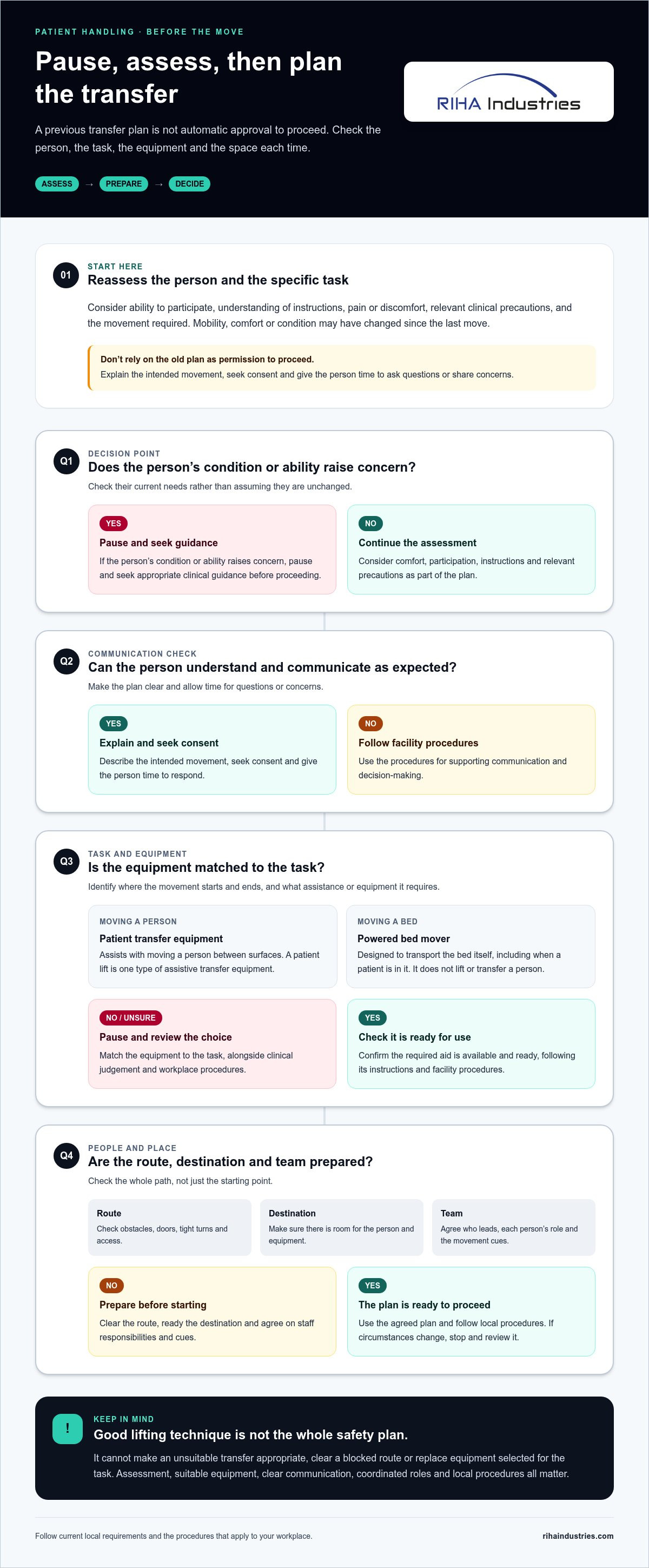
A practical patient-handling checklist for before, during and after
A repeatable sequence can help staff notice a change, communicate clearly and respond before a small issue affects the move. Use this checklist as a prompt alongside clinical judgement, staff training and the procedures that apply in your facility. It doesn’t replace an individual assessment or dictate one method for every patient.
Assess. Confirm the patient’s current ability, comfort and relevant clinical needs. Identify the movement required, destination and any factors that could affect the task. Decide what assistance and equipment are appropriate under local procedures. If the situation is unclear or has changed, pause to seek clinical guidance.
Explain. Tell the patient what will happen and why, using language they can understand. Seek consent, allow time for questions and agree on a simple cue to begin, pause or stop. Check how they can communicate discomfort or a change of mind during the move.
Prepare. Check that the destination is ready and the route is clear, including doors, turns and access points. Bring the required aid or equipment into position and inspect it according to its instructions and facility procedures. Check relevant brakes and positioning, and agree on each team member’s role before starting.
Move. Follow the agreed plan and keep communication open with the patient and team. Watch how the movement is progressing rather than focusing only on completing it. Don’t pull, twist or push through unexpected resistance; use the agreed cue to stop if the set-up or movement needs review.
Reassess. Pause if the patient’s condition, comfort or cooperation changes, if equipment shifts, or if the movement doesn’t proceed as planned. Check what has changed and decide whether the approach remains appropriate. Resume only when it’s safe to do so under clinical judgement and local procedures.
Report. Once the patient is settled, check their comfort and wellbeing. Report hazards, equipment concerns and near misses through the facility’s usual process. Share relevant learning with the team so that an issue can inform future planning, not just the next move.
Equipment decisions form part of preparation, but the aid must match the task. A device used to transfer a person between surfaces is different from a bed mover, which transports the bed. For practical considerations when selecting equipment, see these patient handling equipment selection criteria.
Used consistently, this sequence can help staff catch common mistakes in patient handling before they become harder to address. Patient-transfer equipment options can also inform equipment planning for healthcare settings.
Build safer handling into Australian healthcare systems
Safer handling is more sustainable when it’s built into how a facility works, rather than left to individual staff to manage alone. If a near miss occurs repeatedly in the same corridor, for example, the issue may involve the route, workflow or equipment, not simply a worker’s technique. Review staffing, training, procedures, equipment and the physical environment together to identify practical changes.
Turn recurring handling problems into practical workplace improvements
Use established workplace processes to review incidents and near misses, looking for patterns rather than assigning blame. Repeated delays at a congested doorway, uncertainty about who leads a move, or equipment that doesn’t suit the task can each point to a system issue. Documenting what happened and sharing relevant learning can help teams improve procedures and make safer choices more consistent across shifts.
Refresher training can reinforce correct equipment use and help staff practise local procedures. Clear guidance should explain roles, communication cues and what to do when a situation changes. Facilities can also examine whether routes are kept clear and whether equipment is accessible and maintained. For context on moving heavy loads in healthcare settings, see this hospital porter equipment guide.
Where powered bed movers fit, and where they don’t
Equipment selection starts with the task. Patient-transfer aids support moving a person between surfaces; powered bed movers transport beds and don’t perform that transfer. The StaminaLift Transfer System 5000 is compatible with 95% of hospital beds. That figure is specific to this system and shouldn’t be taken to mean every bed or transport task is suitable.
A powered bed mover may be one control to consider when planning bed transport, where it suits the task and facility procedures. It doesn’t replace staff training, safe route preparation or clinical judgement. Matching equipment to its intended use helps avoid confusing bed movement with patient handling, while supporting a more considered approach to physical effort. The same system-based thinking applies to other heavy healthcare items: assess the task and setting before choosing how to move them.
Over time, the common mistakes in patient handling can provide useful signals about where systems need attention. Reviewing patterns, improving local procedures and reinforcing training gives teams a practical basis for safer, more consistent care. RIHA Industries’ healthcare mobility solutions include equipment designed for patient transfers and bed movement.
Make your next handling improvement practical
Safer care grows through consistent decisions and workplace systems that support staff to act early. Use the common mistakes in patient handling as prompts for a practical review: identify a recurring challenge, consider what would make the task easier to manage, then build the improvement into local procedures and team learning.
Equipment can support that work when it’s matched to the task. RIHA Industries offers Australian-made StaminaLift bed movers and Easi tugs, alongside training, maintenance and national service support in Australia. These solutions support healthcare mobility, while clinical judgement and facility procedures remain central to patient care.
Explore RIHA Industries’ healthcare mobility solutions to consider equipment and support for your facility’s needs. Each thoughtful improvement can help create a more confident, dignified and manageable experience for patients and staff.
Frequently Asked Questions
Is patient handling the same as moving a hospital bed?
No. Patient handling involves assisting a person, such as repositioning them or transferring them between surfaces; bed transport means moving the bed as equipment. A powered bed mover may assist with a compatible bed, but it doesn’t lift a person from bed to chair. For example, moving someone in their bed to another room is different from helping them transfer to a chair. Select equipment for the specific task and follow facility procedures.
Can one staff member safely handle a patient alone?
There’s no single staffing answer that’s safe for every person or transfer. The appropriate support depends on the patient’s current needs, the task, equipment, staff training and the facility’s procedures. A device designed for single-person operation when moving a bed doesn’t determine how many staff are needed for a patient transfer. If the local assessment or care plan calls for assistance, pause and arrange that support before proceeding.
What should staff do if a patient becomes uncomfortable during a transfer?
Pause the movement when it’s safe, check in with the patient and reassess what may have changed. Pain, anxiety or an awkward position may mean the original approach is no longer suitable. Don’t try to complete the transfer by applying more force. Follow the care plan and facility procedure, and seek clinical assistance if needed. Record or report relevant concerns through the workplace’s established process so they can inform ongoing care.
Is good lifting technique enough to prevent patient-handling injuries?
No. Good technique can be relevant, but posture alone can’t address every risk in a patient move. The common mistakes in patient handling may also involve unsuitable equipment, a changed care need, poor communication or a difficult environment. Consider these factors together and follow the facility’s procedures. Reassess if conditions change during the task. Neither a particular technique nor a piece of equipment can be assumed to eliminate every risk.
How often should a patient-handling risk assessment be reviewed?
Follow your facility’s policy and applicable local requirements; there isn’t one review interval that suits every setting. Reassess sooner if the patient’s mobility or condition changes, the task or equipment is different, or the environment affects the planned movement. For example, a transfer plan may need reconsideration after a new mobility limitation or a change of destination. Australian WHS guidance can vary by jurisdiction, so use current local direction.
Can a powered bed mover transfer a patient from a bed to a chair?
No. A powered bed mover transports a compatible bed; it doesn’t lift or transfer a person between surfaces. Moving a patient while they remain in a bed is bed transport, while moving them from bed to chair is a patient transfer. That distinction helps staff choose equipment intended for the clinical task and follow the relevant care plan and facility procedures, rather than treating a bed mover as a patient-transfer aid.
Should staff report a near miss during patient handling?
Yes, follow your facility’s established process for reporting near misses and handling concerns. A brief account of what nearly went wrong, such as a blocked route, a communication mix-up or an equipment issue, can help the team identify patterns. Share factual details through the appropriate workplace channel and focus on learning rather than blame. Reporting can support practical improvements before similar circumstances arise again; follow local policy on how to record the event.