Hospital Bed Mover Preventative Maintenance: The 2026 Healthcare Facility Guide
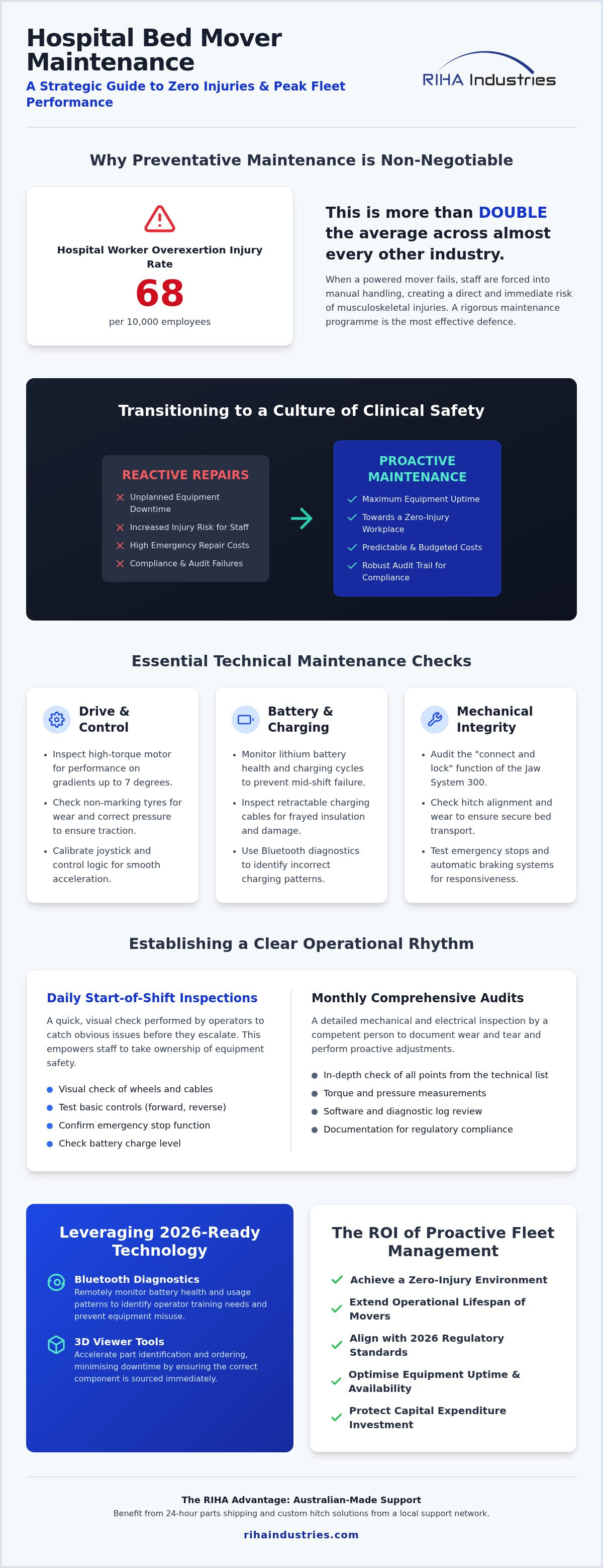
The overexertion injury rate for hospital workers currently sits at 68 per 10,000, which is more than double the average across almost every other industry. When a powered mover fails, it isn't just a mechanical setback; it's a direct threat to the safety of your nursing and portering teams. Implementing a rigorous programme for hospital bed mover preventative maintenance is the most effective way to transition from reactive repairs to a culture of clinical safety. By prioritising the health of your equipment, you're directly protecting the wellbeing of your staff.
We understand that managing a fleet while facing strict compliance audits and rising operational costs often feels like an uphill battle. This guide provides the technical and operational strategies you need to achieve a zero-injury workplace and ensure your equipment remains in peak condition. You'll learn how to navigate the 2026 regulatory changes, utilise advanced diagnostic tools like Bluetooth battery monitoring, and establish a maintenance schedule that extends the operational lifespan of your StaminaLift and Easi series movers.
Table of Contents
The Strategic Value of Hospital Bed Mover Preventative Maintenance
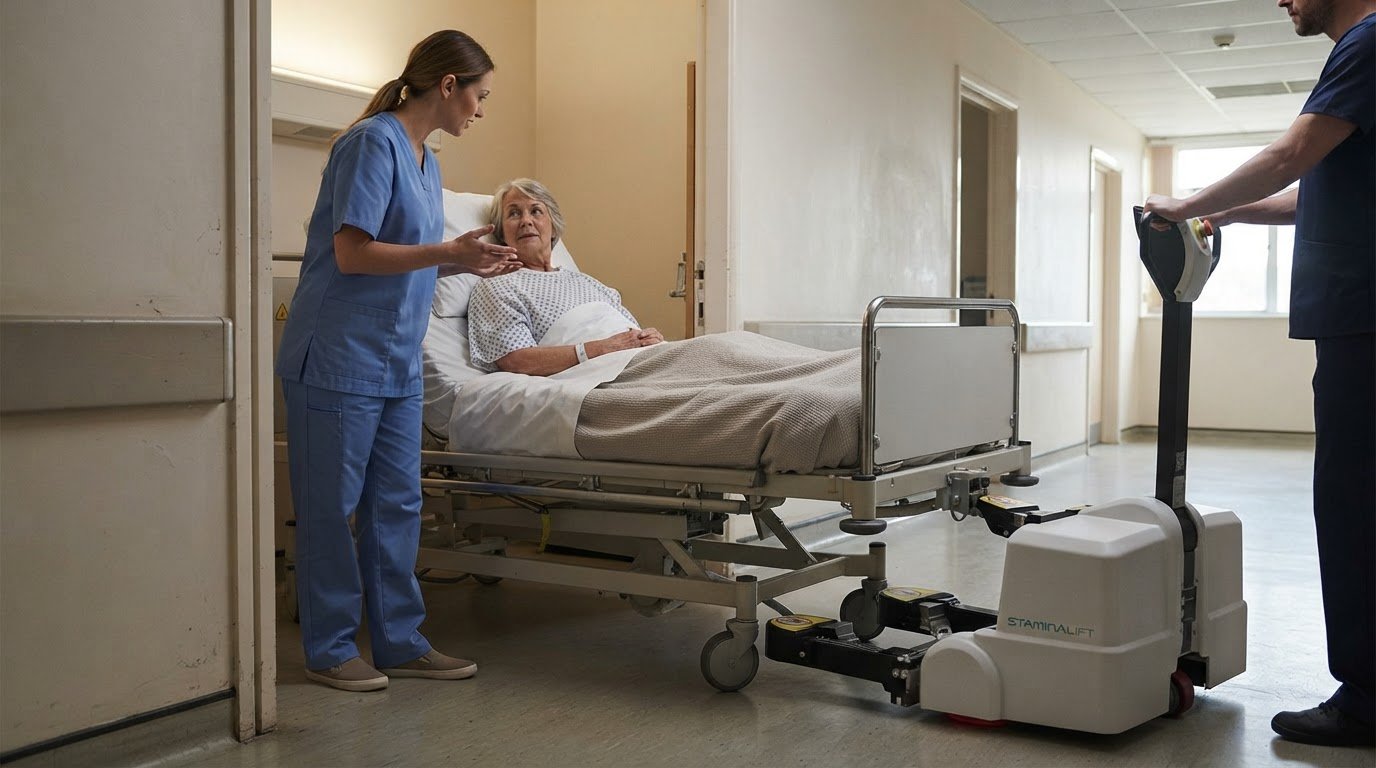
Hospital bed mover preventative maintenance is a systematic approach to equipment care that prioritises safety and operational continuity over reactive fixes. In the high-pressure environment of a modern hospital, motorised tugs are essential for moving complex hospital bed features such as integrated scales and bariatric frames. This maintenance strategy involves scheduled inspections and proactive adjustments to ensure every StaminaLift and Easi series unit operates at peak efficiency. By identifying wear in drive wheels or battery degradation before a failure occurs, facilities managers eliminate the chaos of equipment downtime.
Beyond simple mechanical upkeep, this discipline provides a robust audit trail for facility accreditation. Regulatory bodies like SafeWork NSW and SafeWork SA require PCBUs to ensure all plant equipment is maintained by competent persons. A meticulous record of every service intervention demonstrates a commitment to OHS compliance. It transforms maintenance from a line-item expense into a strategic asset that protects the hospital from legal risk and compliance anxiety.
Reducing Workplace Injuries via Equipment Reliability
When a bed mover fails mid-transit, the portering staff are often forced to revert to manual handling. This sudden shift in physical demand is a primary cause of musculoskeletal disorders. We have seen the impact of reliability firsthand; in one South Australian hospital, injury claims dropped to zero after implementing a rigorous fleet management programme. For staff members nearing retirement, a well-maintained StaminaLift 2100 provides the necessary mechanical assistance to continue their roles safely. Consistent maintenance ensures that safety features like emergency stops and automatic braking remain responsive, preventing the overexertion injuries that cost the industry millions annually.
The ROI of Proactive Fleet Management
Choosing Australian-made equipment built from high-gauge steel, such as the StaminaLift Transfer System 6000, is a long-term investment. Preventative checks significantly extend the operational life of these units by addressing minor issues before they necessitate fleet decommissioning. Facilities can use the RIHA ROI calculator to demonstrate to hospital boards how planned maintenance reduces the total cost of ownership. Implementing a consistent hospital bed mover preventative maintenance schedule ensures that the hospital’s capital expenditure is protected while maintaining maximum equipment uptime across the entire fleet. Instead of facing the high price of emergency reactive repairs, managers can budget for predictable, scheduled service.
Critical Technical Components of Powered Movers
Effective hospital bed mover preventative maintenance requires a deep understanding of the machine's primary drive and control systems. Unlike the static components of a bed, a powered mover like the StaminaLift Transfer System 6000 relies on high-torque motors to safely navigate gradients up to 7 degrees. Checking the integrity of non-marking wheels is essential; worn tyres lose traction on polished hospital floors, which compromises the operator's control during emergency stops. Precision is also maintained through the joystick and control logic. These components must be calibrated to ensure smooth acceleration and deceleration in tight clinical corridors, preventing jarring movements that could disturb patients. Professional Medical Equipment Repairers often emphasise that these control interfaces are the primary point of contact between the technology and the human user, making their reliability paramount.
Battery Management and Charging Infrastructure
The shift toward lithium battery technology has revolutionised equipment uptime, but it requires specific oversight. Lithium units offer superior charging cycles compared to conventional lead-acid batteries, yet they still benefit from integrated software monitoring to prevent mid-shift failures. Maintenance teams should regularly inspect retractable charging cables for frayed insulation or mechanical resistance. A damaged cable isn't just a fire risk; it's a bottleneck that keeps a critical asset out of service. Monitoring usage history via Bluetooth diagnostics allows facility managers to identify if units are being charged correctly or if operator retraining is necessary.
Mechanical Integrity: Jaws, Hitches, and Braking
The "connect and lock" integrity of the patented Jaw System 300 is the foundation of safe bed transport. These jaws must be inspected for alignment and wear to ensure universal compatibility with various bed wheelbases. If the hitch mechanism isn't engaging smoothly, it increases the risk of accidental detachment. Regular lubrication of electric hitches prevents mechanical binding, while the automatic braking system must be tested under load to verify its response time. Ensuring these safety features are functional is the core of any preventative maintenance and repair strategy, as it guarantees the equipment will perform exactly when the portering team needs it most. Consistent mechanical audits ensure that the transition from storage to active use is always seamless and safe.
Leveraging 2026 Technology for Maintenance Efficiency
Modern technology has shifted hospital bed mover preventative maintenance from a scheduled chore into a data-driven strategy. In 2026, the healthcare predictive maintenance market has reached an estimated USD 1.4 billion, reflecting a global move toward smarter asset management. Engineering departments now use digital twin technology to create a virtual replica of each StaminaLift unit, allowing them to simulate performance and visualise mechanical status remotely. This transparency ensures that when a technician is required, they arrive with the exact tools and components needed, eliminating the "first-visit" diagnostic delay that often plagues hospital operations. By integrating these advanced tools, facilities can move away from reactive fixes and toward a model of absolute equipment reliability.
Bluetooth-Enabled Diagnostic Feedback
Integrating Bluetooth connectivity into the StaminaLift and Easi series allows for the seamless extraction of usage history and battery health metrics. Technicians can download this data to identify high-stress routes, such as steep ramps or long-distance transfers, which may be causing premature wear on drive systems. This software doesn't just record the past; it predicts the future. By monitoring motor torque and charging efficiency, the system can alert staff to a failing component well before it results in a mid-shift breakdown. This objective feedback also improves communication between porters and engineers, replacing anecdotal reports with hard data that pinpoints exactly where a unit requires attention.
Remote Support and 3D-Assisted Servicing
Developing a Comprehensive Maintenance Schedule
A structured schedule is more than a list of mechanical tasks; it's a commitment to the safety of every person in your facility. Under the 2026 SafeWork NSW regulatory priorities, mobile plants like powered movers are under increased scrutiny due to their role in workplace incidents. A robust hospital bed mover preventative maintenance programme ensures that every unit is not only operational but legally compliant. This schedule bridges the gap between daily operator vigilance and professional technical expertise, creating a culture where equipment health is never left to chance. By following a tiered approach, facilities can manage risk while maximising the return on their equipment investment.
The Daily Safety Checklist for Porters
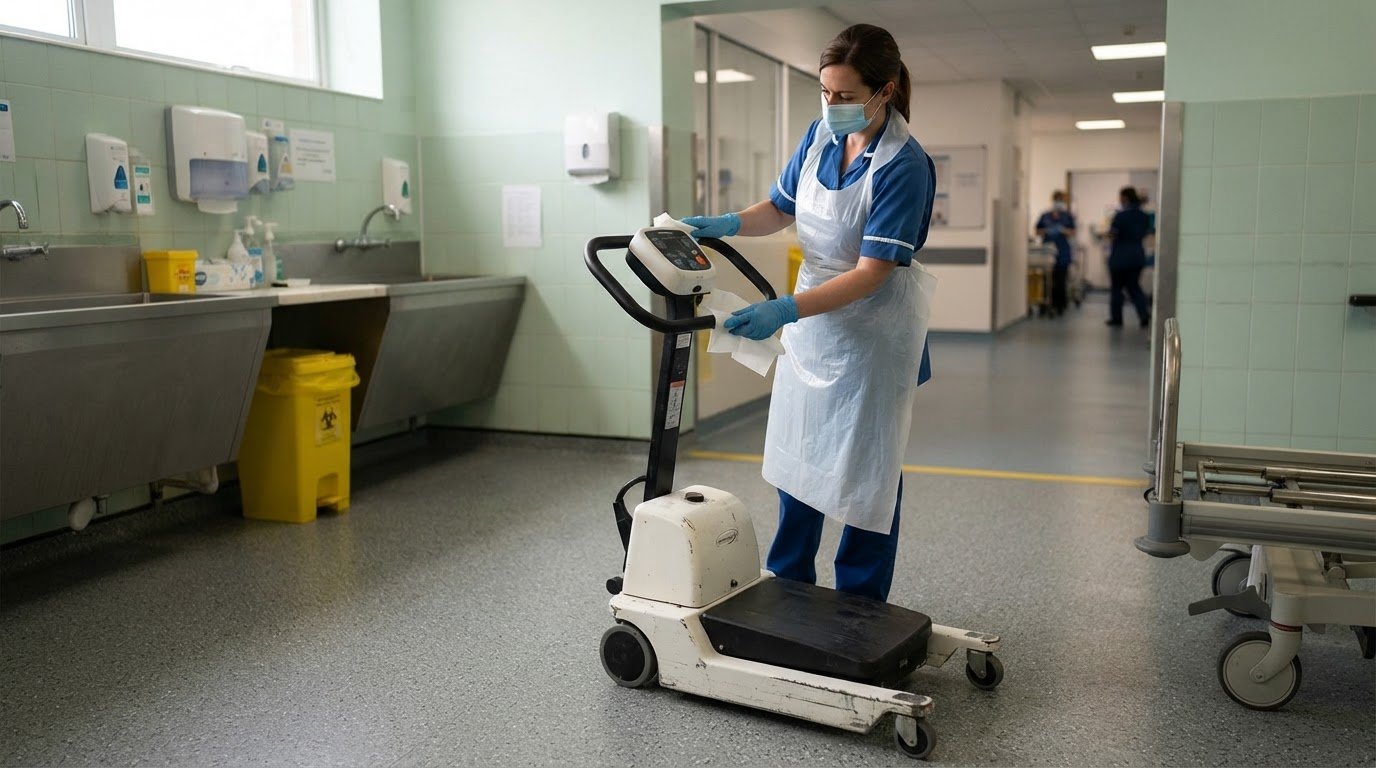
Porters are the first line of defence against equipment failure. A "Start of Shift" inspection should take no more than two minutes, yet it's the most effective way to prevent a day of workplace incidents. This routine empowers staff to take ownership of their safety and the safety of their patients. A standard daily checklist includes:
Confirming battery levels to avoid mid-transit depletion during critical patient transfers.
Testing the emergency stop button to ensure immediate responsiveness.
Engaging the "Back Off Button" on walk-behind units like the Easi Mover to verify that operator crush protection is active.
Performing a visual sweep of hitches and jaws to remove debris or clinical waste that could interfere with the locking mechanism.
Quarterly and Annual Professional Servicing
While daily checks focus on immediate safety, quarterly and annual reviews dive into the machine's deeper technical health. This is where software refinements and firmware updates for joystick controls occur, ensuring the unit responds with precision in tight spaces. Annual servicing must include load testing on gradients up to 7 degrees to verify that the motor capacity of a StaminaLift Transfer System 6000 remains within factory specifications. These professional audits provide the necessary certification for OHS documentation, proving that the equipment has been maintained by a competent person as required by Australian law. Keeping these records for the entire operational life of the unit is essential for meeting SafeWork SA and NSW audit requirements. To simplify your facility’s compliance and ensure maximum uptime, you can enquire about our professional service contracts and preventative maintenance plans.
The RIHA Advantage: Partnering for Long-Term Reliability
Choosing a maintenance partner is as critical as the equipment itself. RIHA Industries, as an Australian-made certified manufacturer, offers a level of stability that imported brands simply cannot match. When you commit to a long-term strategy for hospital bed mover preventative maintenance, you need a partner who understands the local regulatory environment and the specific physical demands of Australian healthcare facilities. Being an FDA-registered manufacturer means our quality systems align with the 2026 international standards, providing you with the rigorous documentation required for any clinical audit.
We empower your internal engineering teams through manufacturer-certified training programmes. This ensures your staff meet the definition of a "competent person" under Australian WHS laws, allowing them to perform routine checks with confidence. Additionally, we prioritise sustainability through parts-remanufacturing and on-demand 3D printing. This approach prevents the premature decommissioning of older StaminaLift fleets, ensuring that even discontinued machinery remains operational, safe, and productive for years to come.
National Service Coverage and Global Support
Reliability should not depend on your postcode. RIHA Industries provides national service coverage that supports both metropolitan hubs and rural facilities across Australia. By engaging directly with us rather than through a traditional distributor-only model, you gain a direct line to the engineers who designed and built your equipment. We provide a 24-hour response guarantee for critical inquiries, ensuring that a grounded unit is back in service as quickly as possible. This direct relationship simplifies the maintenance workflow and provides a sense of relief for facility managers who cannot afford extended equipment downtime.
Customisations and Future-Proofing
Clinical needs are constantly evolving, often requiring specialised equipment that doesn't fit standard movers. Our investment in advanced CNC machinery allows us to drive local innovation and productivity right here in Australia. We develop custom clamps and hitch attachments for unique trolleys, theatre tables, or specialised bariatric equipment that require precise handling. This bespoke capability ensures your fleet is future-proofed against changing hospital infrastructure. For those in the planning stages of a fleet upgrade, our Hospital Bed Mover Procurement Guide offers deeper insights into selecting units that support long-term maintenance goals. By tailoring the hardware to your specific clinical environment, we ensure that your hospital bed mover preventative maintenance programme remains efficient, effective, and perfectly aligned with your facility's unique challenges.
Securing the Future of Your Facility's Portering Safety
Maintaining a zero-injury status for your healthcare team requires more than just high-quality equipment; it demands a proactive approach to technical care. By integrating Bluetooth diagnostics and a tiered inspection schedule, you can transform hospital bed mover preventative maintenance from a compliance burden into a strategic operational advantage. This commitment ensures that your StaminaLift and Easi series movers remain reliable assets that directly protect your staff from overexertion and musculoskeletal strain.
As an Australian-made and certified manufacturer, we understand the local standards and high-stakes environment you operate in. Being an FDA-registered manufacturer with global reach, we provide the technical excellence and support required to reduce manual handling injuries to zero. You can book a professional preventative maintenance review for your fleet to secure your equipment's uptime and your team's safety. Investing in the longevity of your equipment is a direct investment in the people who use it every day. We're here to support your mission of providing world-class care through world-class engineering.
Frequently Asked Questions
How often does a hospital bed mover require professional preventative maintenance?
Professional preventative maintenance should occur quarterly to ensure mechanical and electronic systems remain within factory specifications. While daily and monthly checks manage immediate risks, a quarterly deep-clean and calibration by a certified technician identify subtle wear in the drive motor or joystick. This frequency aligns with the 2026 regulatory focus on risk-based asset management. Consistent professional oversight extends the operational life of your fleet and provides the auditable service history required for facility accreditation.
Can our internal engineering team perform maintenance on StaminaLift equipment?
Yes, your internal engineering team can perform many maintenance tasks provided they're manufacturer-trained and competent under Australian WHS guidelines. We offer certified training programmes to empower your staff with the skills needed for routine servicing and part replacement. By using our 3D viewer tool and Bluetooth diagnostic software, your team can identify issues accurately. However, complex electronic calibrations and annual safety certifications are best handled by our factory-trained technicians to ensure full compliance.
What are the most common faults found in powered hospital bed movers?
The most frequent faults identified during hospital bed mover preventative maintenance involve battery degradation and drive wheel wear. Non-marking tyres often accumulate floor debris or sustain flat spots from improper storage, which affects traction on gradients. We also commonly see mechanical binding in hitch mechanisms due to a lack of lubrication or the accumulation of clinical waste. Addressing these minor issues through a structured schedule prevents the motor strain that leads to expensive drive system failures.
Is preventative maintenance mandatory for OHS compliance in Australian hospitals?
Preventative maintenance is a mandatory requirement under Australian Work Health and Safety (WHS) regulations for any powered mobile plant. Regulation 213 of the WHS Act requires that equipment is inspected, tested, and maintained by a competent person. Failure to maintain detailed service records for the life of the equipment can lead to significant liability during a SafeWork audit. Maintaining a rigorous programme ensures your facility meets its legal duty of care to protect staff from manual handling injuries.
How does lithium battery technology change the maintenance requirements for movers?
Lithium technology reduces the frequency of battery replacements and allows for opportunistic "top-up" charging without memory effect issues. While traditional lead-acid batteries require careful management of deep discharge cycles, lithium units are more resilient and provide consistent power output throughout the shift. This reliability reduces the risk of equipment failure during critical patient transfers. Maintenance now focuses more on monitoring charging software and inspecting retractable cables rather than checking fluid levels or dealing with terminal corrosion.
What should be included in a daily safety check for motorised tugs?
A daily portering check should focus on the immediate safety features and mechanical integrity of the unit. This includes testing the emergency stop button, verifying battery levels, and ensuring the "Back Off Button" on walk-behind tugs like the Easi Mover is functional. Operators must also perform a visual sweep of the hitch and jaw assembly to clear any obstructions. These simple checks take only minutes but are vital for maintaining a zero-injury workplace and identifying faults before they escalate.
Can you provide parts for older or discontinued hospital bed mover models?
We maintain a comprehensive inventory of parts for both current and discontinued StaminaLift and Easi series models. As an Australian manufacturer, we utilise CNC machining and 3D printing to fabricate precision components for older fleets that other vendors might consider obsolete. Our 24-hour parts shipping ensures that even regional facilities can source the necessary hardware to keep their legacy equipment operational. This commitment to long-term support helps you avoid the high cost of premature fleet decommissioning.
How do Bluetooth diagnostics improve the maintenance process for facility managers?
Bluetooth diagnostics improve the hospital bed mover preventative maintenance process by providing remote access to battery health and motor performance data. This transparency helps identify "high-stress" usage patterns or specific wards where operator retraining may be required. Instead of waiting for a total breakdown, managers can use this predictive data to schedule maintenance exactly when it's needed. It streamlines the service workflow by providing technicians with a digital snapshot of the machine's health before they begin physical repairs.