Impact of Staff Injuries on Patient Care and Safety
The impact of staff injuries on patient care is clearest when nurses, care assistants and other healthcare workers are hurt while supporting patients or handling demanding tasks. Pain, fatigue and time away from work can reduce the team’s capacity to provide attentive, timely care. Unsafe patient handling can also expose patients to falls or other harm.
It is natural to focus on the injured worker, but the effects can spread across the care team and affect the people who rely on it. This article explains who is most exposed to workplace injuries, how injuries can affect patient safety and productivity, and why discomfort, fatigue and staffing pressures matter.
You’ll learn which tasks can increase injury risk and how safe patient handling, suitable equipment, training and ergonomic assessments can help reduce physical strain. Understanding the link between staff wellbeing and patient care helps healthcare teams identify practical changes that support safer work and more consistent care.
Table of Contents
Healthcare workers’ occupational injuries and illnesses
Healthcare work carries occupational risks across hospitals, nursing homes and home health settings. In 2020, the injury rate was 15.1 in hospitals and 18.9 in nursing and residential care facilities, compared with 8.1 in other industries. These figures show why care workers’ safety deserves attention alongside patient outcomes. Nurses also face substantial exposure: US nurses are injured at three times the rate of construction workers.
Musculoskeletal injuries are a major concern, particularly for nursing assistants who lift, reposition and support patients. In the United States, nursing assistants experienced 18,090 days-away-from-work musculoskeletal disorder cases in 2017. The incidence rate was 166.3 per 10,000 workers, more than five times the average across industries.
Risk extends beyond hospital wards. In nursing and residential care, frequent transfers and physically demanding support can expose workers to strains and sprains. Home health care brings different conditions, including working in varied settings and responding without the same nearby team. Reported assault rates in US home health agencies increased 63% from 2006 to 2020. Violence is another occupational hazard: healthcare and social services workers experience 76% of reported workplace violence injuries in the American workforce.
An injury can affect more than a worker’s ability to perform a task. Pain, restricted movement or time away can disrupt familiar care routines and shift duties to colleagues. That disruption does not capture the full human impact of losing experienced staff or the added pressure on the remaining team.
Retention is part of the same picture. As many as 20% of nurses who leave direct patient care positions do so because of work-related risks. Physical discomfort can also affect daily interactions: in one cited study, 22% of nurses said discomfort made them less friendly or engaging with patients. Another 22% reported modifying or limiting their movement at work. These experiences can shape turnover intent and weaken continuity when experienced workers leave.
Prevention therefore needs to address the tasks and conditions behind injuries, not just the resulting absence. Patient lifting and transfers can place repeated demands on the back and other muscles; needlestick injuries and workplace violence present different risks. In the United States, approximately 385,000 healthcare workers experience needlestick injuries annually. Reviewing injury patterns by role, task and setting helps organisations target safer handling practices and support staff retention.
Effects of staff injuries on productivity and safety
An injury can reduce a hospital team’s capacity even when the affected employee stays at work. Pain and fatigue may make it harder to concentrate, communicate clearly or complete routine tasks. When a colleague is absent, others may take on their duties, leaving less time for handovers, patient observation and coordination. The impact of staff injuries on patient care can begin with these everyday pressures during a shift.
Patient safety can be affected through several connected pathways. Fatigue, injury and stress are associated with a higher possibility of medication errors and patient infections. A worker managing pain may find movement or sustained attention more difficult, while a stretched team may have less time to check details with colleagues. These outcomes are risks to manage, not inevitable consequences. Clear handovers and timely reporting help teams recognise when workload or discomfort may be affecting safe care.
Communication also relies on psychological safety: staff need to feel able to raise concerns, report hazards and ask for support. Safety climate describes employees’ perceptions of safety in their workplace. A poorer perceived safety climate is associated with stress, job dissatisfaction and turnover intent among healthcare providers. If a care worker expects pain reports to be dismissed, an early problem may go unaddressed until it limits work or requires time away.
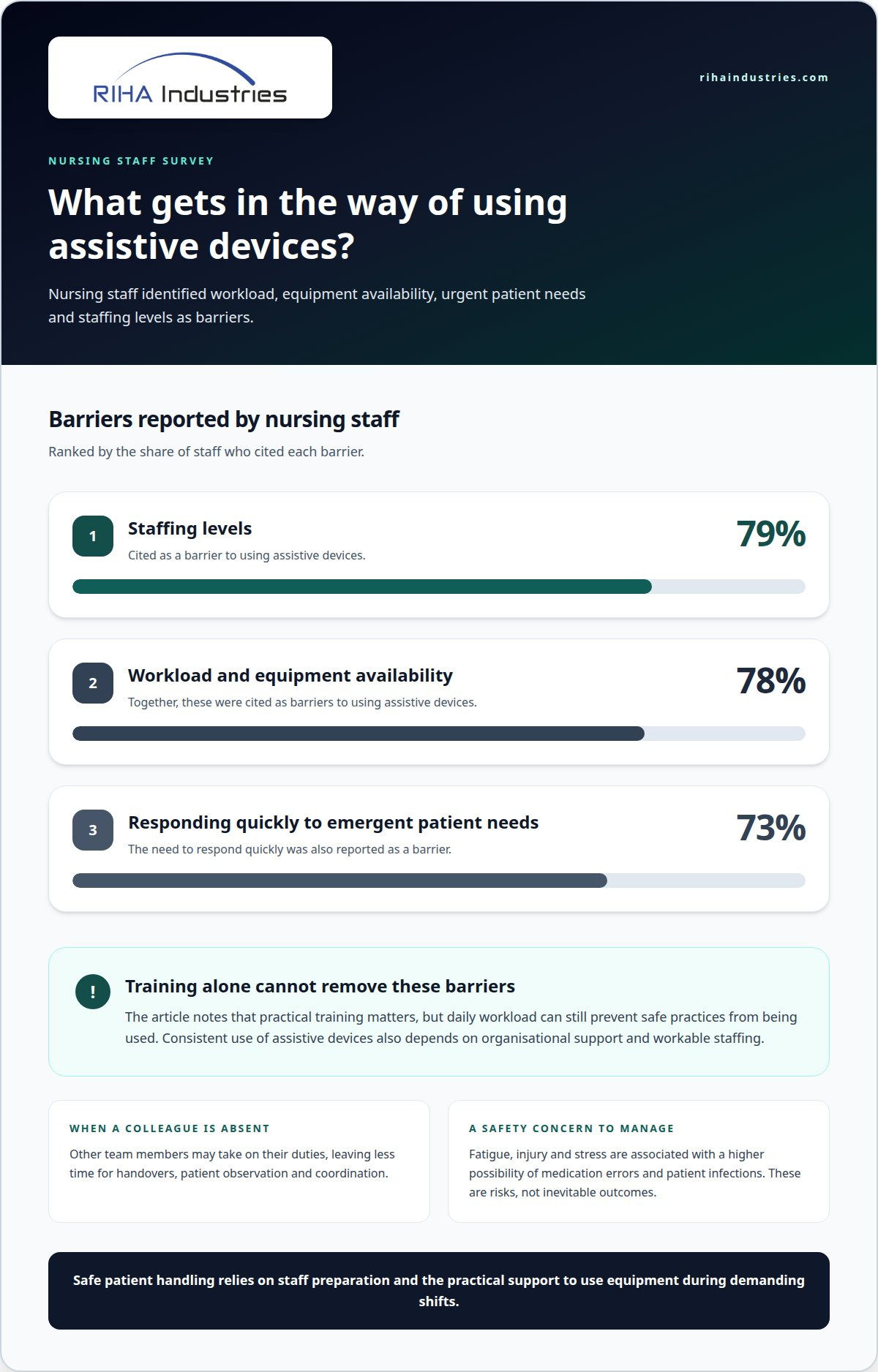
Training needs to address real tasks, not just deliver general reminders. For example, staff need practical guidance on safe patient handling, equipment use and how to report hazards or near misses. However, training alone cannot resolve barriers created by daily workload. In a nursing staff survey, 78% cited workload and equipment availability as barriers to using assistive devices; 73% cited the need to respond quickly to emergent patient needs.
Administration and team leaders shape whether occupational safety practices can be used consistently. Staffing levels were cited as a barrier to assistive-device use by 79% of nursing staff. The Occupational Safety and Health Administration and the National Institute for Occupational Safety and Health identify understaffing as a workplace violence risk factor. Prevention therefore involves both staff preparation and organisational support, including workable procedures for reporting injuries, responding to violence and addressing hazards.
In the CDC Quality of Worklife survey, 46% of healthcare workers reported feeling burned out. Understanding the impact of staff injuries on patient care also means recognising how staff wellbeing connects to productivity, communication and retention. Leaders can review injury reports alongside staffing pressures, missed care and employee feedback. Acting on recurring concerns gives teams practical opportunities to improve occupational safety and protect patients during demanding shifts.
High-risk patient handling tasks and areas
Patient handling becomes hazardous when a worker must support a person’s weight, reach awkwardly or respond to sudden movement. Transfers between a bed and chair, repositioning in bed, and helping someone stand can place substantial physical demands on healthcare workers. The task may become harder when space is restricted, a patient’s mobility changes, or equipment is difficult to position. Risk depends on the patient, the movement required and the surrounding work area.
Minnesota hospital injury data from 2016 illustrates the role of physical exertion. Nearly 60% of worker injuries were due to overexertion, while nearly 20% resulted from slips, trips and falls. These hazards can intersect during a transfer: a worker may strain while supporting a patient, then lose footing beside a bed or chair. Wet floors, cluttered routes and equipment placed in the transfer path can complicate safe movement.
Patient-related tasks warrant particular attention. Thirty percent of Minnesota hospital worker injuries in 2016 directly involved a patient. Most of those injuries were caused by overexertion while lifting or moving someone. A patient’s sudden loss of balance or unexpected movement can change a planned transfer in seconds. Staff should pause when the original approach no longer suits the person’s movement, comfort or ability to assist.
Violence creates a different handling hazard. In Minnesota hospitals, nearly 10% of worker injuries in 2016 were due to violence, and patient-related violence was the second most common cause of injuries involving patients. A patient may strike, push or resist during close-contact care. Clear communication, awareness of the immediate environment and appropriate support procedures matter during these encounters, particularly where staff must work at close range.
Risk can vary with location and workflow. A cramped bedroom during home healthcare may restrict access around a bed, while a nursing-home room may involve repeated transfers between furniture and mobility aids. In hospitals, moving equipment through busy corridors can create collision or trip hazards. A practical review traces the patient’s route, checking the starting position, transfer space, floor condition, destination and any obstacle that could interrupt movement.
Healthcare providers can use injury reports and direct observation to identify recurring hazards. If several reports involve transfers beside one bed, for instance, review the room layout, available space and handling method. Staff feedback can show whether the task regularly requires reaching, twisting or an unsupported lift. Together, these observations help distinguish an isolated event from a recurring safety concern.
Before a transfer, consider three immediate factors: the patient’s ability to assist, the available space and the equipment required. If any of these change during the movement, stop and reassess rather than continuing with the original plan. This helps identify hazards early and supports safer handling for workers and patients.
Ergonomics and safe body mechanics
Ergonomics adapts tasks and workspaces to the people performing them. During a patient transfer, bed height, available space and equipment placement can affect posture and exertion. Manual lifting may limit nurses’ physical capabilities and expose patients to falls, fractures, bruises or skin tears. Safe handling considers both the worker’s movements and the patient’s comfort, stability and dignity.
Body mechanics matter when repositioning someone in bed or helping them stand. Training should cover posture and the correct use of patient lifts and slings. Staff also need to know how to position equipment and follow the method suited to the task. If a patient’s ability to assist changes, the original plan may no longer be appropriate. Pause, reassess and adjust the approach before continuing.
Ergonomic assessments can identify practical changes to equipment and workspace design. An assessment might look at the space around a bed, the route to a chair or whether staff can approach without twisting. It can also reveal whether equipment blocks movement or a task involves repeated reaching. These observations help organisations address the conditions that contribute to strain, rather than relying only on reminders to lift carefully.
Review the task: Observe a bed-to-chair transfer and note where staff reach, twist or support the patient.
Examine the space: Check whether furniture, equipment or a narrow route restricts positioning around the bed.
Match support to movement: Use the handling approach and equipment taught for the patient’s needs and task.
Safe patient handling practices can reduce the risk of falls and other negative outcomes. Appropriate devices can also support patient safety, comfort and dignity while assisting healthcare staff. A lift or sling does not replace training: staff need to know how to use it correctly and coordinate their actions. Before repositioning a patient, for example, everyone involved should understand their role.
Policies help make ergonomic principles consistent across a facility. They can explain how staff assess a transfer, choose equipment, communicate during movement and report difficulties. Training should also reflect the equipment and tasks staff encounter. A policy that cannot be followed in a crowded room or during a demanding shift will not address the underlying hazard.
Regular assessment can help prevent injuries and support retention by identifying recurring physical demands before they become normalised. If staff repeatedly report awkward positioning beside a particular bed, review both the layout and the task. Combining staff feedback with observation can show whether workspace changes, equipment adjustments or further instruction are needed. As occupational health and safety consultants like Shebin Abraham emphasise, addressing these factors makes safer movement part of everyday care, rather than a response only after someone is injured.
Nurse injuries and workforce shortages
A nurse injured during a shift may be unable to complete their usual duties or may need time away. The department must redistribute work, arrange cover or defer tasks until staff are available. This can affect patient flow, especially when the absent nurse knows a patient’s history or established care plan. An injury can create a staffing gap as well as a physical setback for the worker.
Staff injuries can lengthen waits when fewer nurses are available to assess patients, respond to requests or complete routine care. Colleagues covering unfamiliar patients may also need extra handovers, making continuity harder to maintain throughout a shift. The effects depend on staffing, patient needs and available cover, but gaps can disrupt the sequence of care.
Staffing shortages can affect patient outcomes by reducing the time available for observation, communication and follow-up. When nurses have more competing tasks, subtle changes in a patient’s condition may be harder to notice promptly. The National Healthcare Retention & RN Staffing Report gives the nationwide registered nurse vacancy rate as 8.5%. A vacancy is not itself an injury, but it can leave less capacity to absorb injury-related absences.
Work-related risks can also influence whether nurses remain in direct care. The National Healthcare Retention & RN Staffing Report gives the nationwide annual nurse turnover rate as 17.1%. When experienced nurses leave, remaining staff may lose colleagues who understand local workflows and patient needs. Health administration can monitor injury reports, absence patterns and exit feedback together, rather than treating each workforce issue separately.
Safe patient handling policies offer one way to address injury risks through organisational practice. California A-1136 safe patient handling legislation was signed into law in October 2011, according to California State Legislature. The legislation is a dated example of attention to safe handling; it does not remove the need to assess how staffing and workplace practices affect nurses each day.
Department leaders can examine where injuries occur, which tasks are involved and whether staffing pressures affect safe procedures. Repeated absences after physically demanding transfers, for example, may indicate a need to review handling practices and equipment access. Tracking near misses and gathering staff feedback can reveal problems before they lead to further time away from work.
Retention efforts should link prevention with practical support. Organisations can provide relevant handling training, maintain clear reporting processes and check whether staffing arrangements allow safe practices. When an injured nurse returns, a planned handover of duties can help preserve continuity as the team adjusts responsibilities. These steps support workforce capacity and consistent patient care.
RIHA Industries
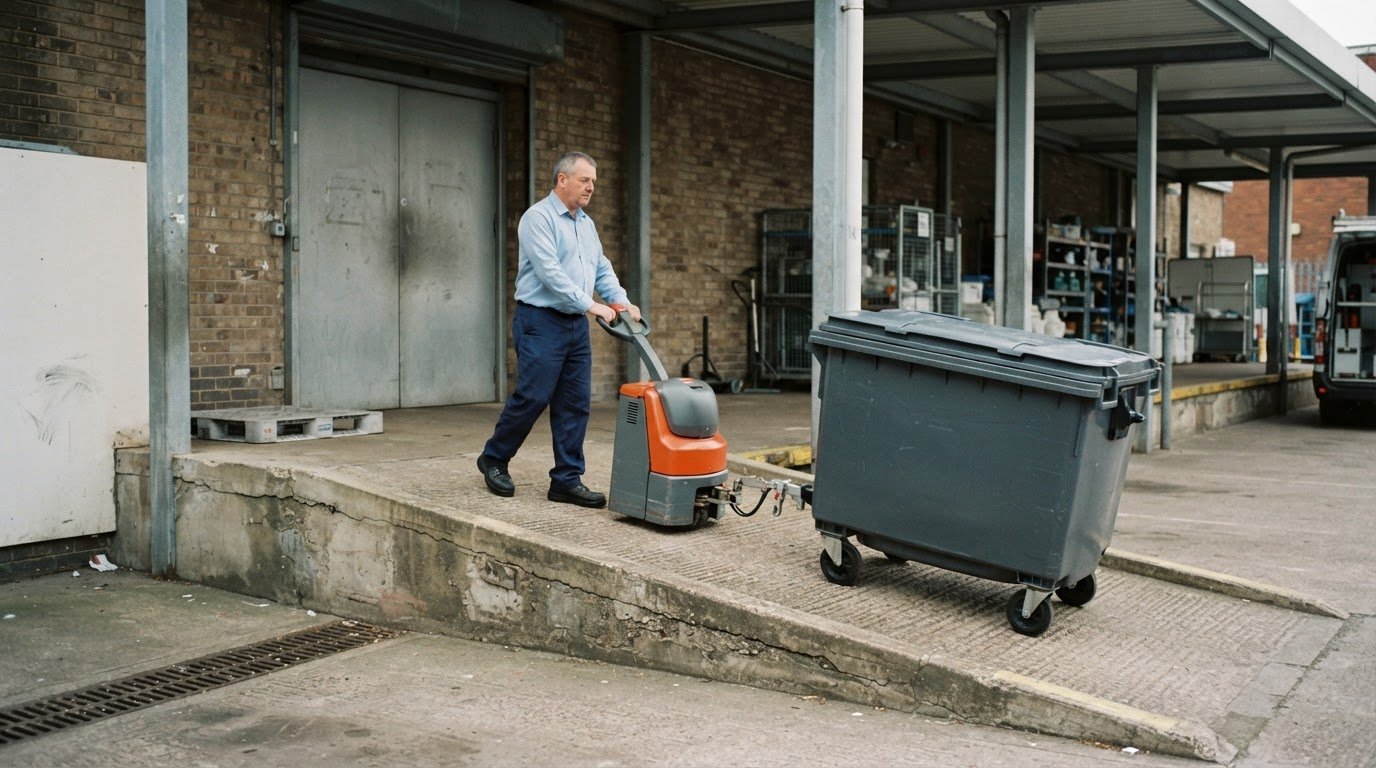
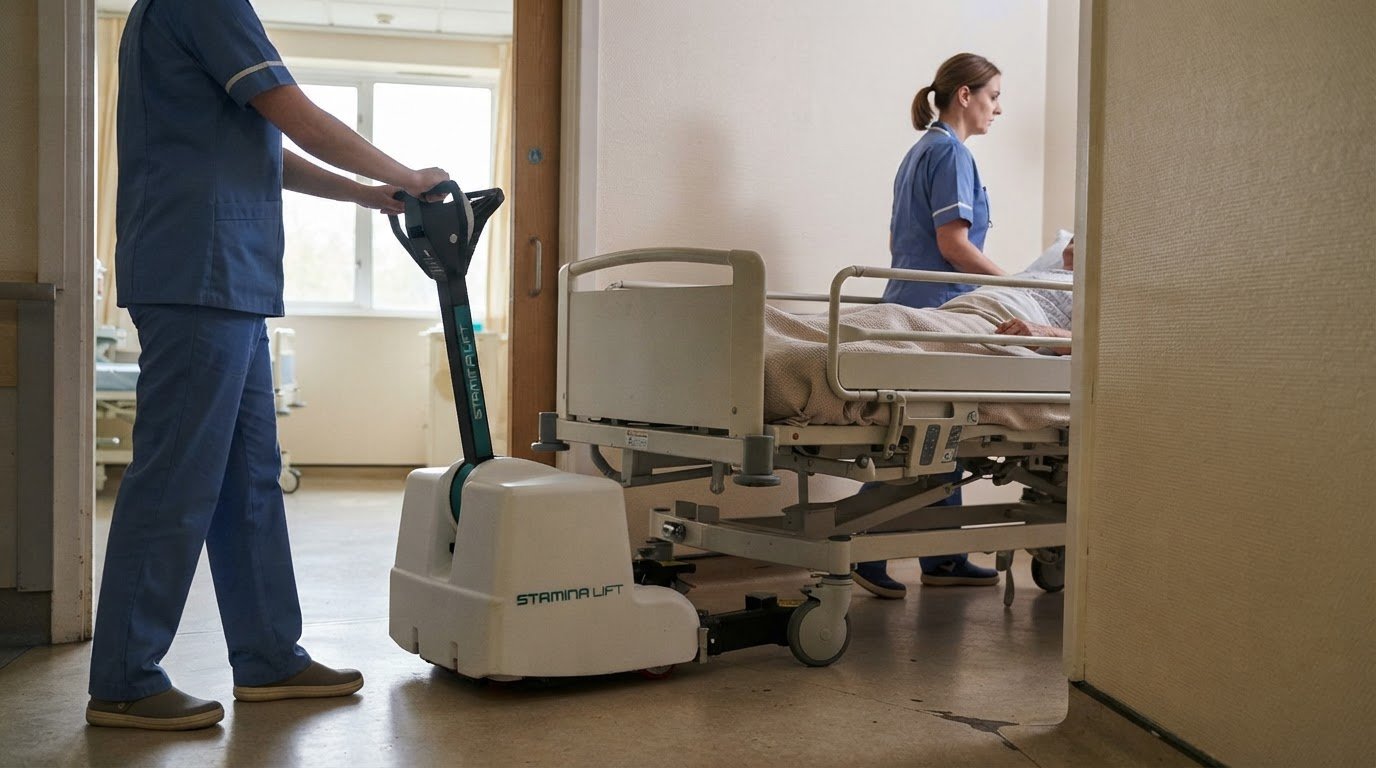
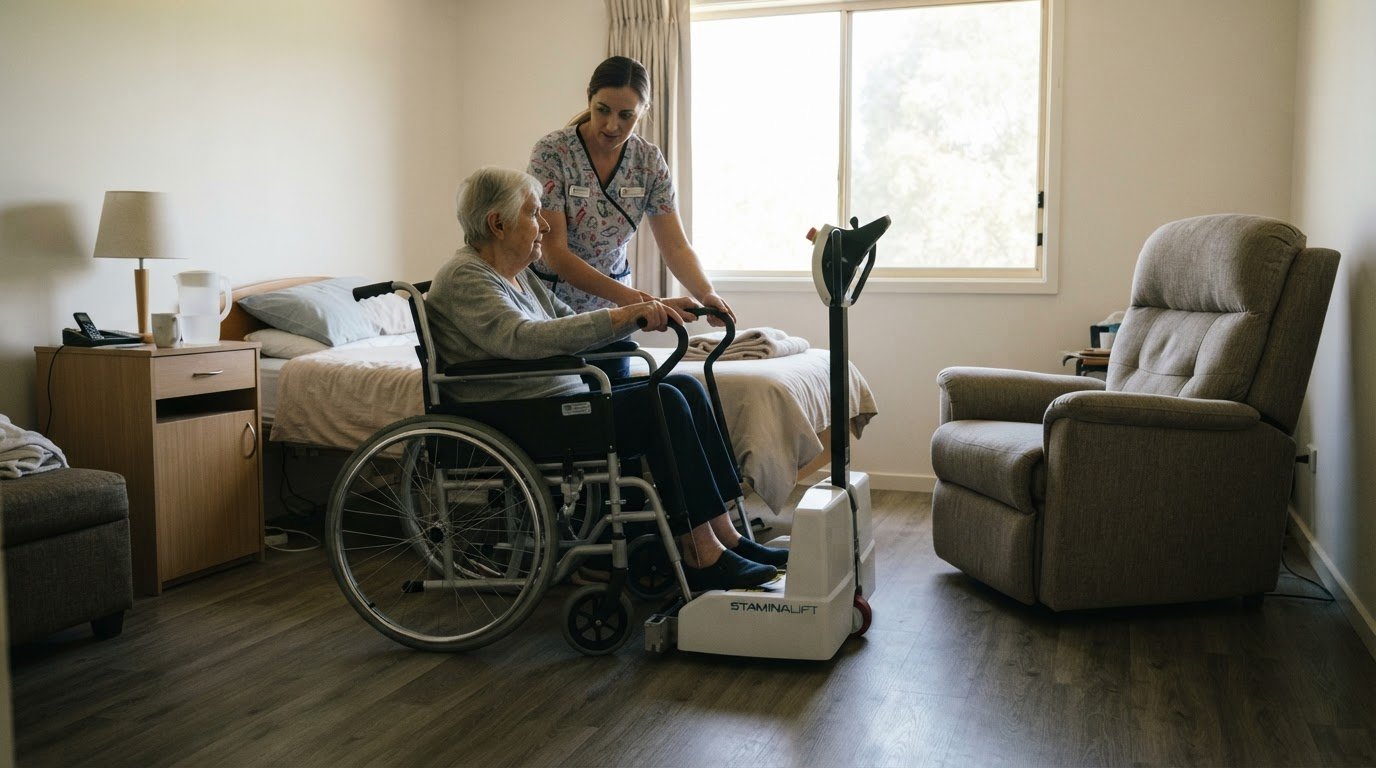
RIHA Industries helps healthcare teams address the physical demands behind staff injuries through patient transfer systems and bed movers. When patient handling or moving heavy loads contributes to strain, its equipment can support a more considered approach to staff safety and patient care. The StaminaLift Transfer System 5000 and 6000, and StaminaLift 2100 Bed Mover, are designed to integrate with existing hospital equipment. Easi Rider and Easi Mover tugs assist staff with moving heavy loads.
The right option depends on the task, the equipment already in place and the movement staff need help with. Equipment complements safe handling practices and staff training; it does not replace them. If your facility is reviewing how equipment could support safer, more consistent work, contact RIHA Industries to discuss your needs.
Make prevention part of everyday care
Recognising the impact of staff injuries on patient care is a starting point. Lasting progress comes from making prevention part of routine operational decisions. Healthcare leaders can assign responsibility for reviewing handling concerns, agreeing practical changes and following up with staff. A clear process helps turn individual observations into improvements that can be sustained across departments.
Choose a focus for the next review, such as a recurring physical task or an equipment-related concern. Record the issue, the change made and staff feedback afterwards. This gives the team a basis for assessing whether the adjustment supports safer work and suits the care environment. Keep the conversation open so employees can raise concerns as working conditions change.
Where patient movement or heavy-load handling is part of the challenge, suitable equipment may support a broader prevention approach. Discuss handling equipment options with RIHA Industries to consider how they may fit your facility’s needs. Thoughtful, steady improvements can help build a safer environment for both care workers and patients.
Frequently Asked Questions
Who is being injured?
Nurses, nursing assistants, care aides and other healthcare workers are among those injured at work. Their roles may involve patient support, transfers, clinical procedures or moving equipment. Risks differ by task: a nursing assistant may experience strain while repositioning someone, while another worker may face a needlestick or patient-related violence. Injury patterns also vary between hospitals, residential care facilities and home health settings.
How do staff injuries affect patient safety and quality of care?
Injuries can affect care when pain, fatigue or time away reduces a team’s capacity to respond and communicate. A worker managing discomfort may find movement or concentration harder, while colleagues covering duties may have less time for routine observations. Staff injury, fatigue and stress are also associated with a higher possibility of medication errors and patient infections. These risks make it important to report concerns and adjust work.
What are the most common types of healthcare worker injuries?
Musculoskeletal injuries, including strains and sprains, are prominent in healthcare work, particularly during lifting and patient movement. Workers may also experience slips, trips and falls, violence-related injuries, and needlestick or other puncture wounds. Hazards vary by task and setting: a transfer may involve physical strain, while a clinical procedure may expose staff to sharps. Reviewing incident patterns helps identify which risks need attention.
How much do workplace injuries cost U.S. hospitals and healthcare systems?
Direct and indirect costs associated with workplace injuries place a heavy financial burden on U.S. hospitals and healthcare systems. Expenses may include treatment, time away from work, cover for absent employees and disruption to normal operations. Financial costs are only part of the impact: colleagues may need to manage changed duties, while patients experience less continuity in their usual care.
How do workplace injuries affect healthcare worker absenteeism, turnover, and burnout?
An injury can lead to time away from work, while ongoing pain or concern about workplace safety may affect whether a worker stays in direct care. The National Healthcare Retention & RN Staffing Report gives the nationwide annual nurse turnover rate as 17.1%. Burnout and turnover have multiple contributing factors, but injury-related absences can add pressure to colleagues and make it harder to maintain familiar team routines.
What are the risks to patients when injured staff continue working?
An injured worker may have restricted movement, pain or fatigue that makes some tasks harder to perform safely. Discomfort, for example, could affect their ability to support a transfer or respond quickly when a patient’s needs change. Continuing without suitable adjustments can increase risk for both worker and patient. Reporting the concern allows the team to review duties, handling needs and available support.
What steps can healthcare employers take to prevent staff injuries and reduce harm to patients?
Employers can combine task-specific training with ergonomic assessments, safe handling procedures and suitable equipment. Reviewing injury and near-miss reports can also reveal recurring hazards, such as awkward access beside a bed or tasks that require repeated reaching. Clear reporting processes and practical communication help staff raise problems early. Prevention is strongest when organisations address workplace conditions as well as individual practices.
How do staff injuries affect patient care in nursing homes and long-term care facilities?
In nursing homes and long-term care, injuries can leave fewer familiar workers available for daily support, transfers and resident observation. Colleagues may take on extra duties, disrupting routines and making it harder to communicate about a resident’s preferences or changing needs. Repeated physical demands can also contribute to staff absence. Reviewing handling tasks and room layouts helps facilities identify where work practices may need to change.